Giveaways
FROM Taitung, I caught trains back around the southern end of Taiwan to Taichung, before heading inland to Sun Moon Lake, a popular mountain resort.
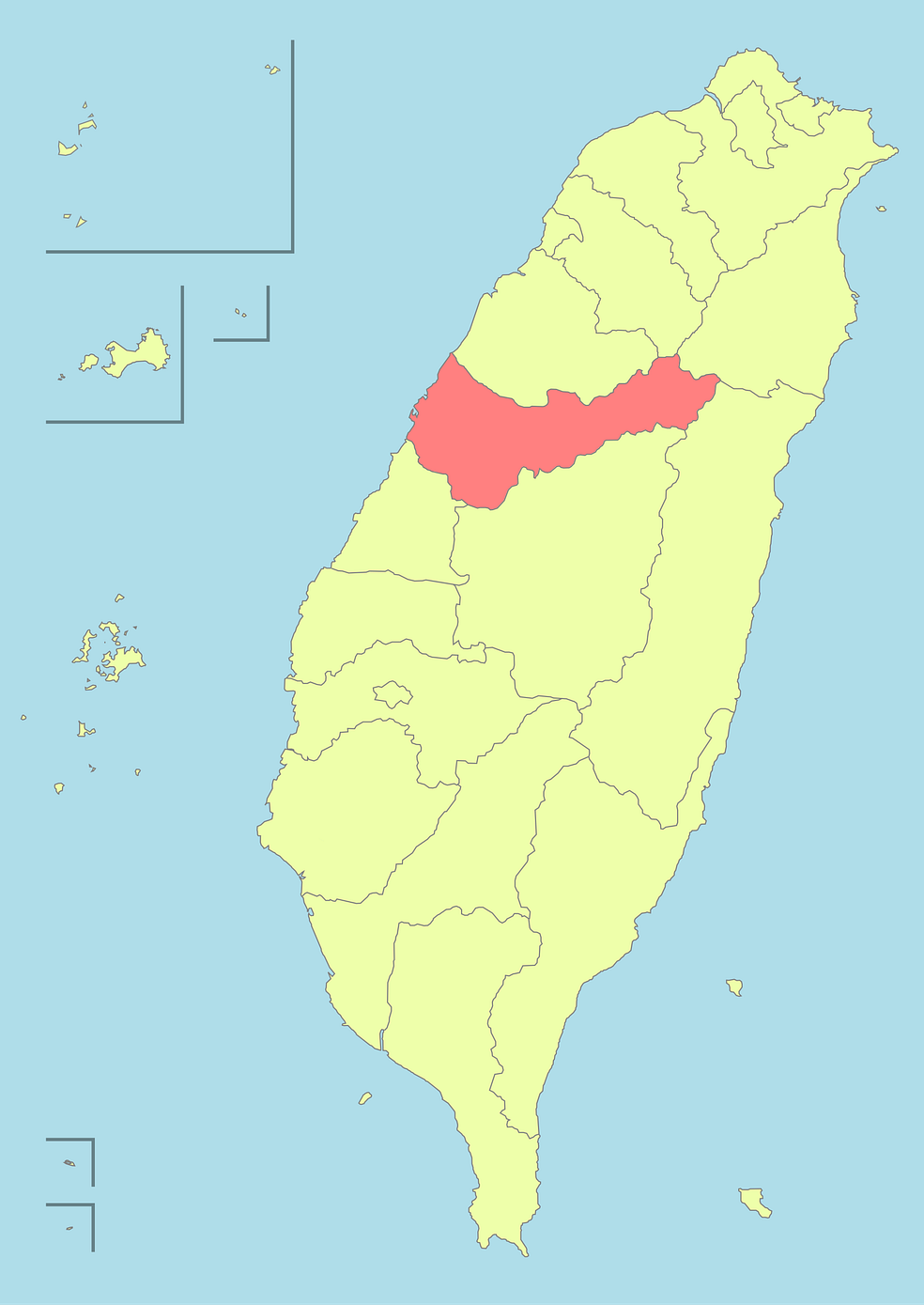
The following map shows Taichung City in pink, with the large, landlocked Nantou County, which contains Sun Moon Lake, immediately to the south.
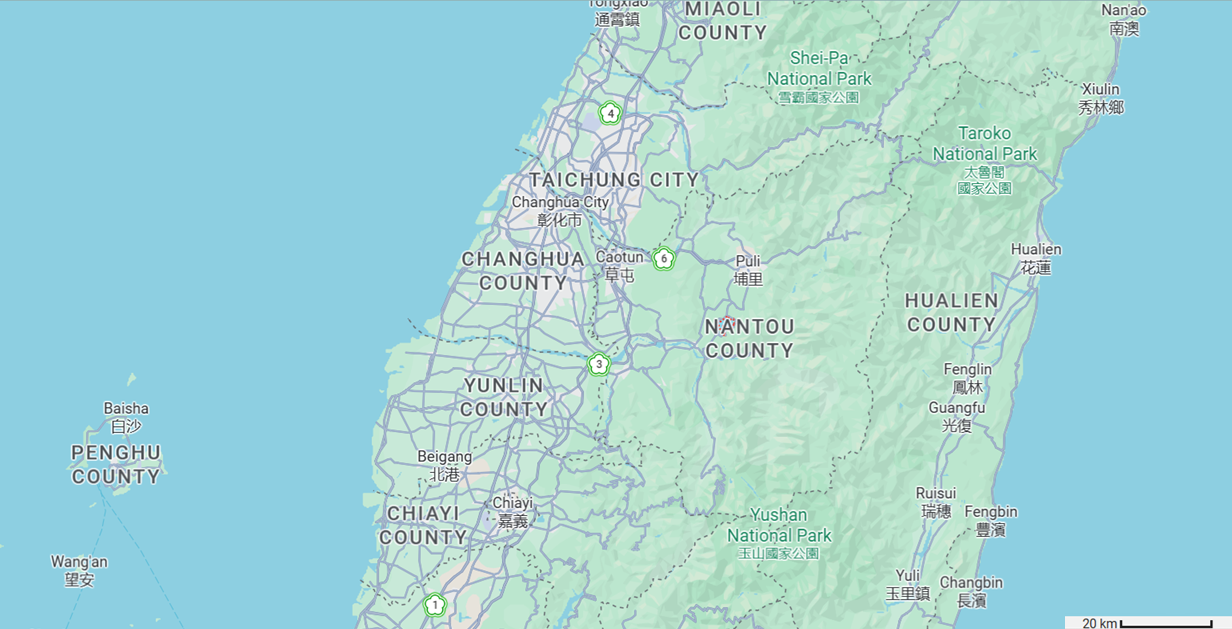
In the following map, Sun Moon Lake is directly beneath the A of the words NANTOU COUNTY, near the town of Puli.
Though Kaohsiung is traditionally thought of as Taiwan’s second city, Taichung has a slightly larger population these days and is now the second-most-populous city in Taiwan, with a population of 2.86 million.
I found Taichung to be really beautiful, with a mixture of older, colonial-looking buildings and more modern ones, and fabulous parks.
The next photograph shows the Taichung Civic Square, in the middle of the Calligraphy Greenway, a 3.6 km-long town belt between the downtown area, which was founded by the Qing in the 1800s, and the West District, which developed in the Japanese colonial era.
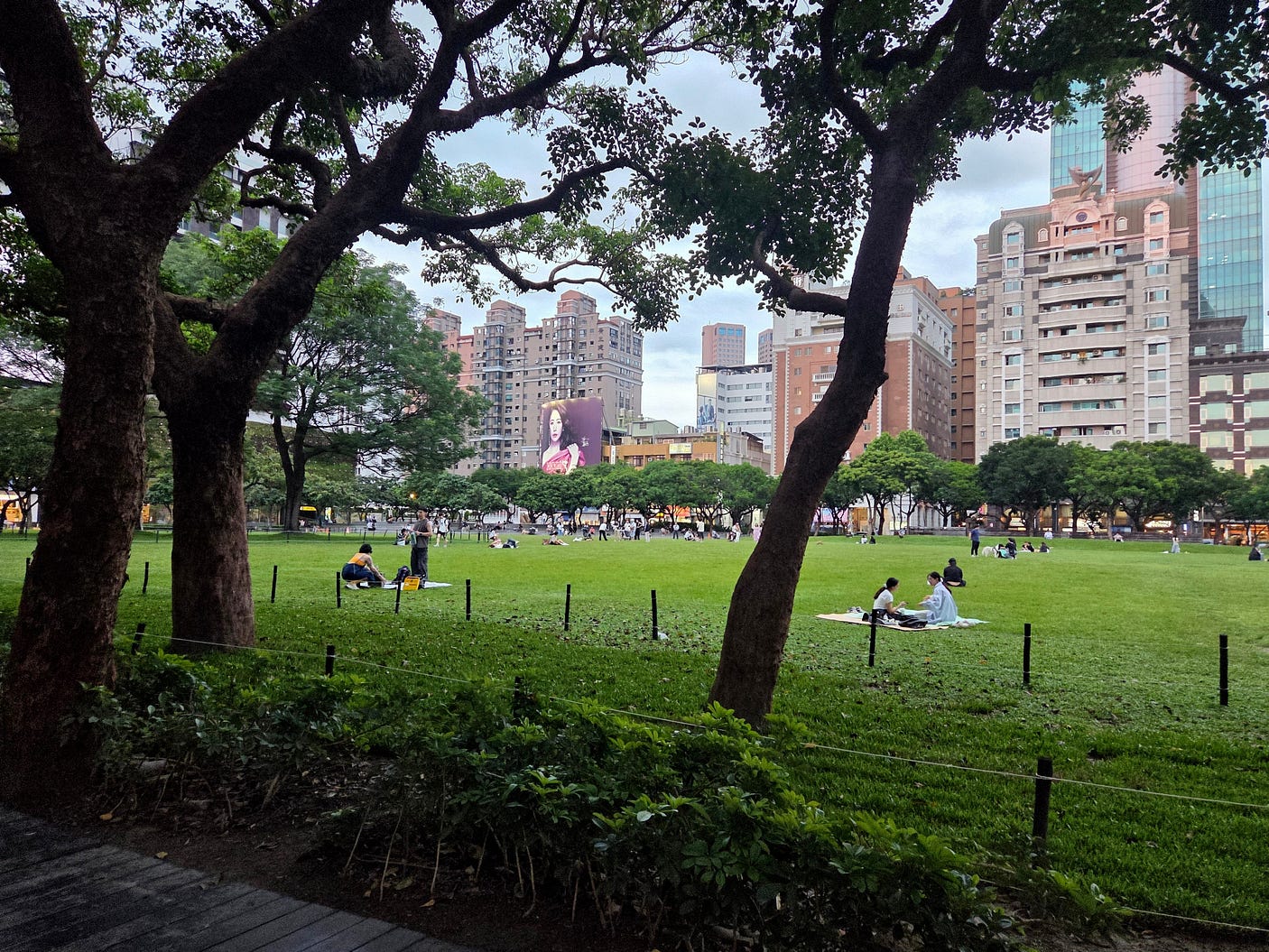
At the far right of the photo just above, you can catch a glimpse of one end of the Shr-Hwa International Tower, which was, for a long time, the tallest building in Taichung.
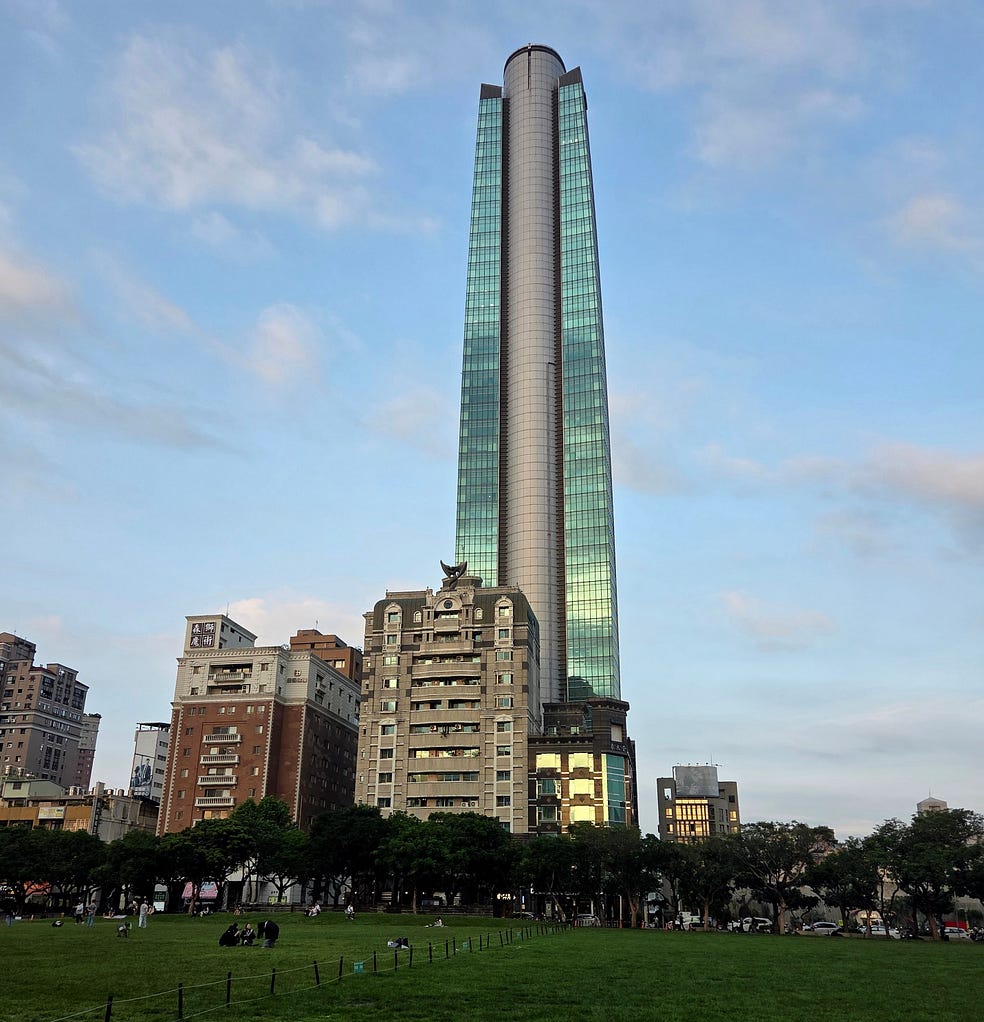
Here’s another photo showing the whole of the Shr-Hwa International Tower, looming over the older buildings.
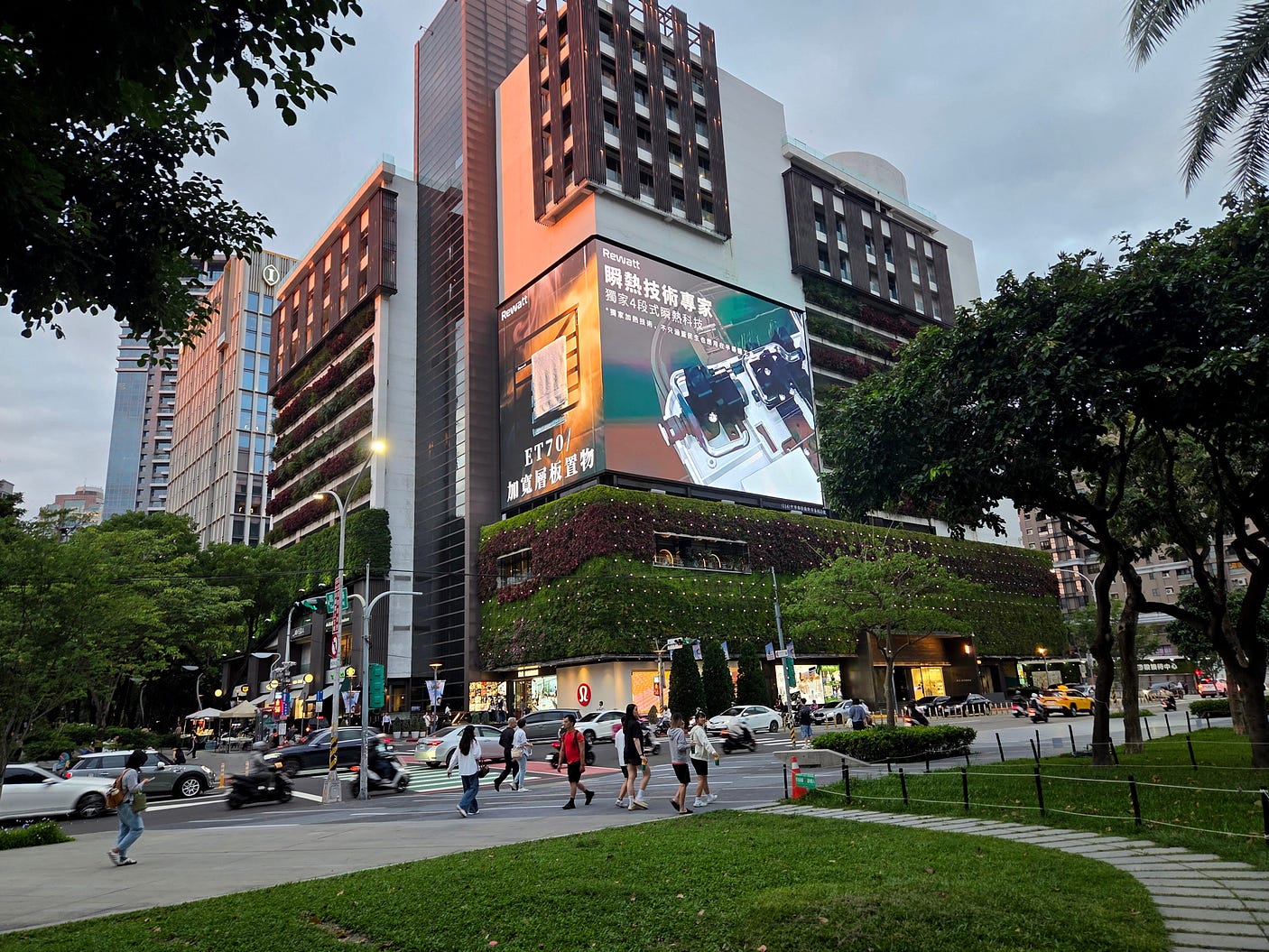
The next photo shows the nearby shopping centre Park Lane by CMP, with its distinctive ‘green walls’ covered in Madagascar periwinkle. In the background, you can spot the logo of the Intercontinental Hotel. At this corner, the Calligraphy Greenway, across Gongyi Road at the extreme bottom left, opens out into the Taichung Civic Square in the foreground.
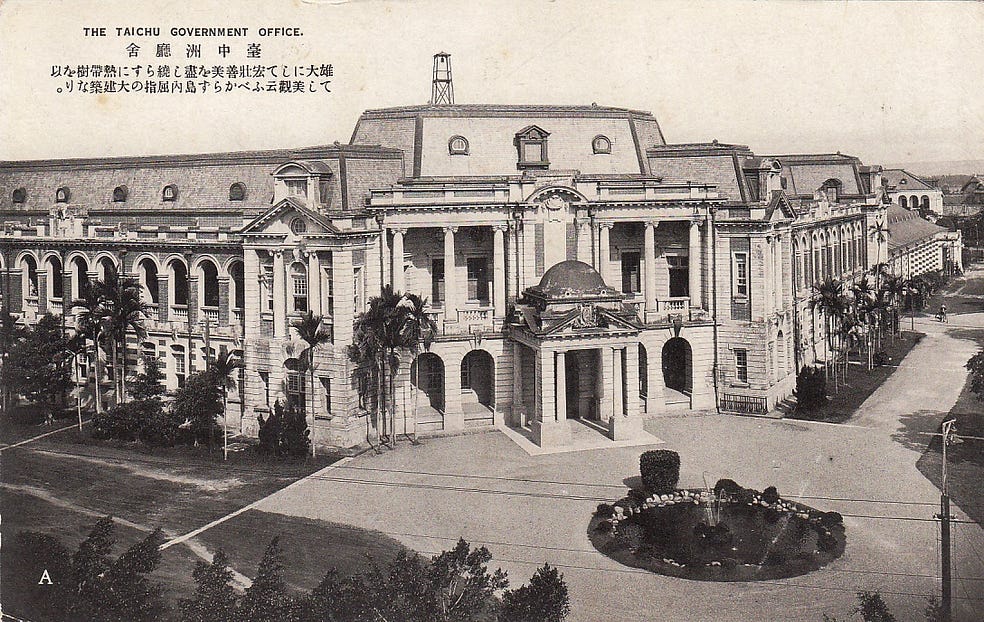
The West District still contains many stately buildings from the colonial era. Some of the older buildings in the photos above might date to that period. Another example is the Taichung, or as the Japanese called it, Taichu Prefectural Hall, shown in the next photo as it was then:
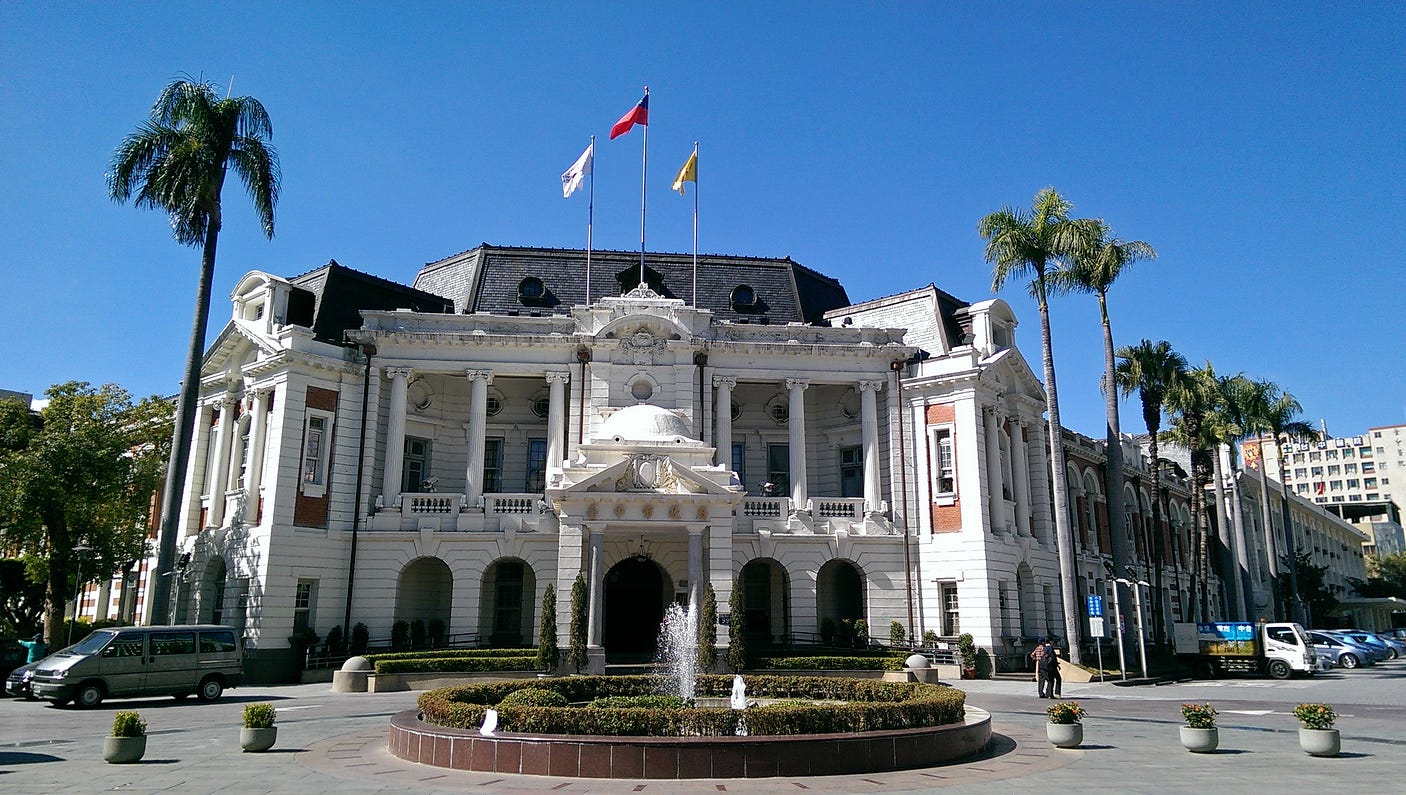
Here it is in more recent times, the stately footpaths now spoiled by parked cars:
When you look at old photos, you do get the idea that sometime before the Second World War was the golden age of town planning.
And that it has all been downhill since then because of the proliferation of the automobile, the wartime destruction of such places as old-time Manila (‘the Pearl of the Orient’), and peacetime destruction by modern people intent on putting up glass towers.
In prewar Taiwan, the Japanese seem to have competed with the Americans, their colonial neighbours to the south, in the Philippines, to see who could create the most impressive cities. This was surely a more constructive rivalry than the one that would ensue after Pearl Harbor.
(I imagine that, along with many of the buildings in Taichung, the Calligraphy Greenway and the Taichung Civic Square also date back to the Japanese era.)
From Taichung, I caught a bus to Sun Moon Lake, which gets its name from the fact that it has a large round part, the ‘sun,’ on its eastern side and a straight part on the western side, which apparently used to be crescent-shaped until the lake’s level was raised by several dams and hydroelectric power stations, the earliest of which were constructed in Japanese colonial times.
(My bus took quite a long time to get there, with many stops. There are, presumably, more direct shuttles.)
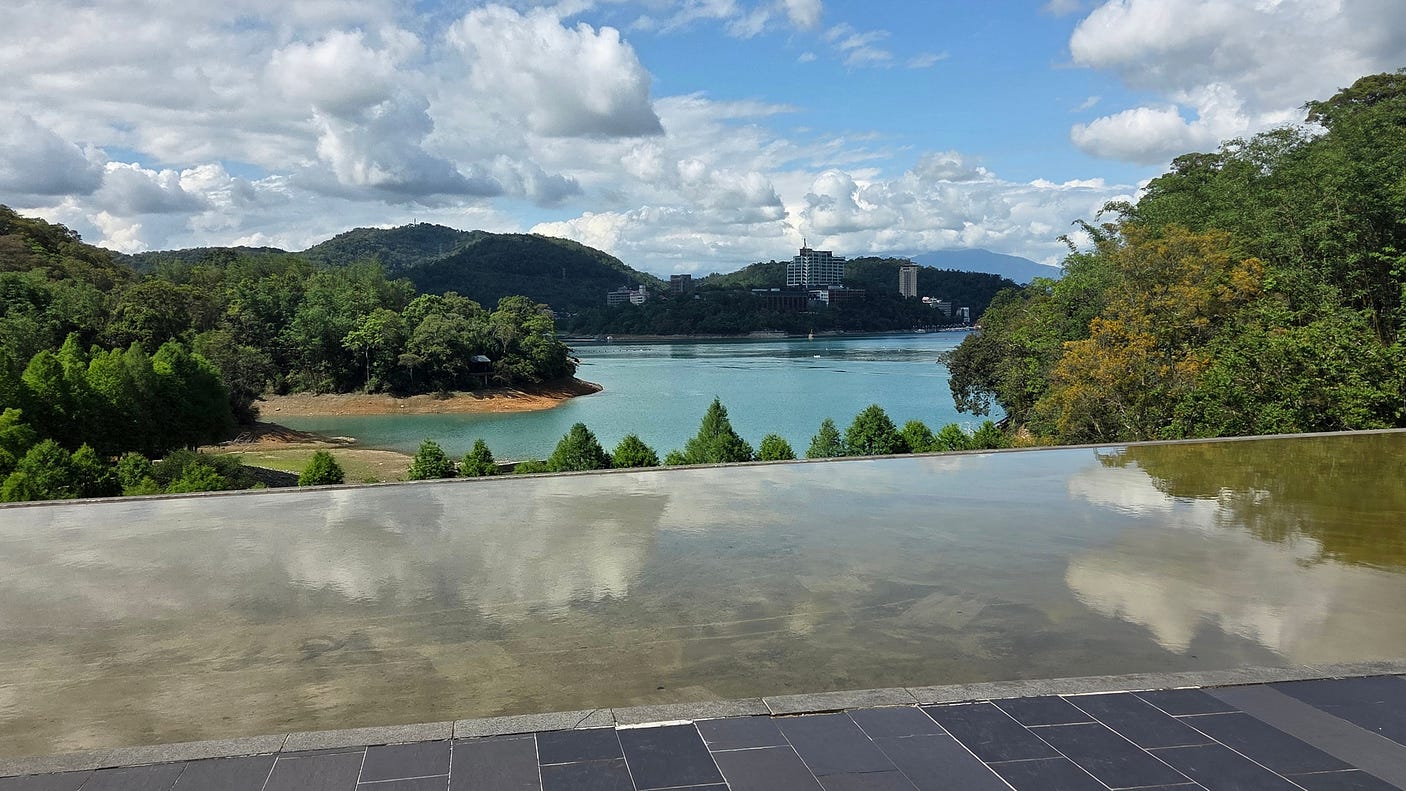
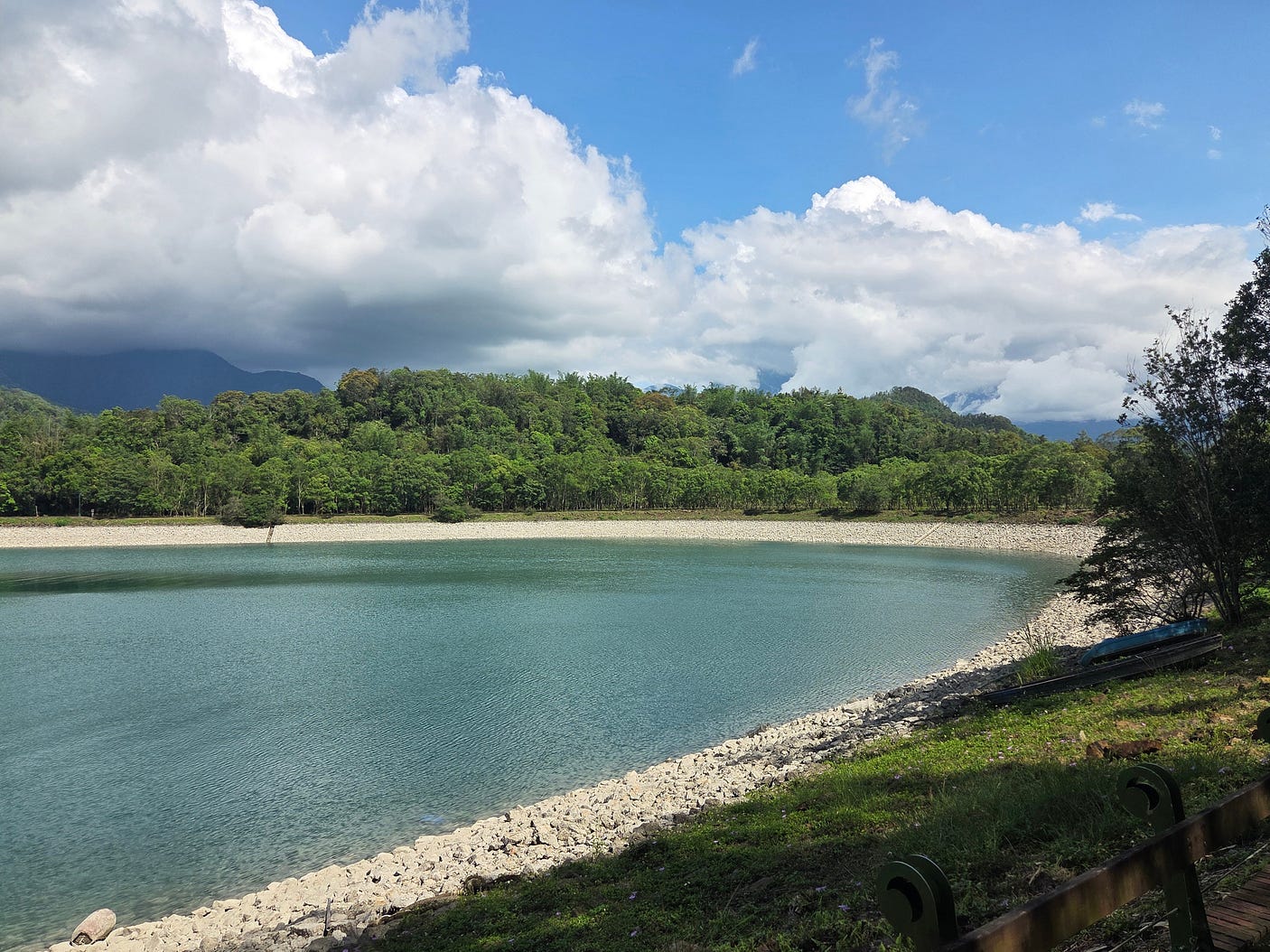
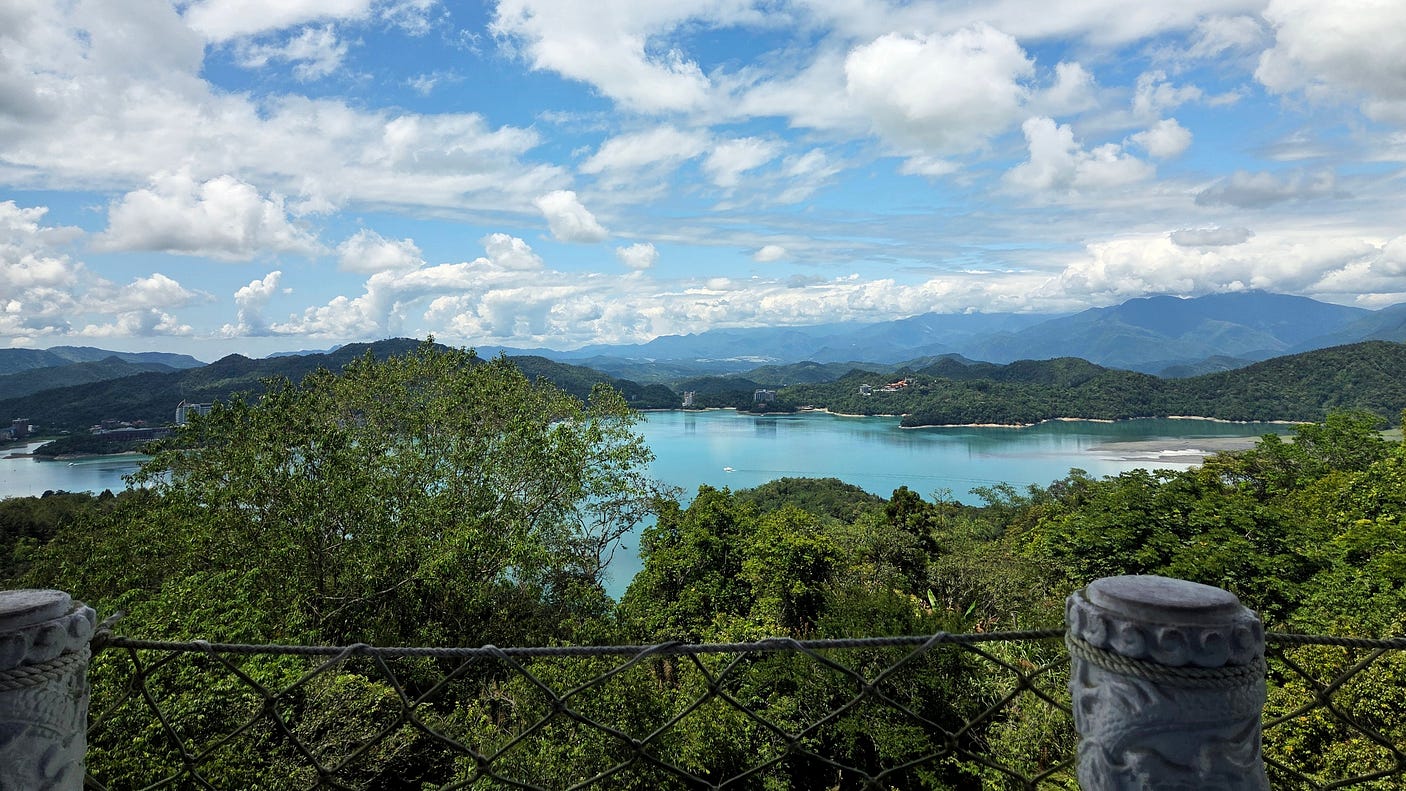
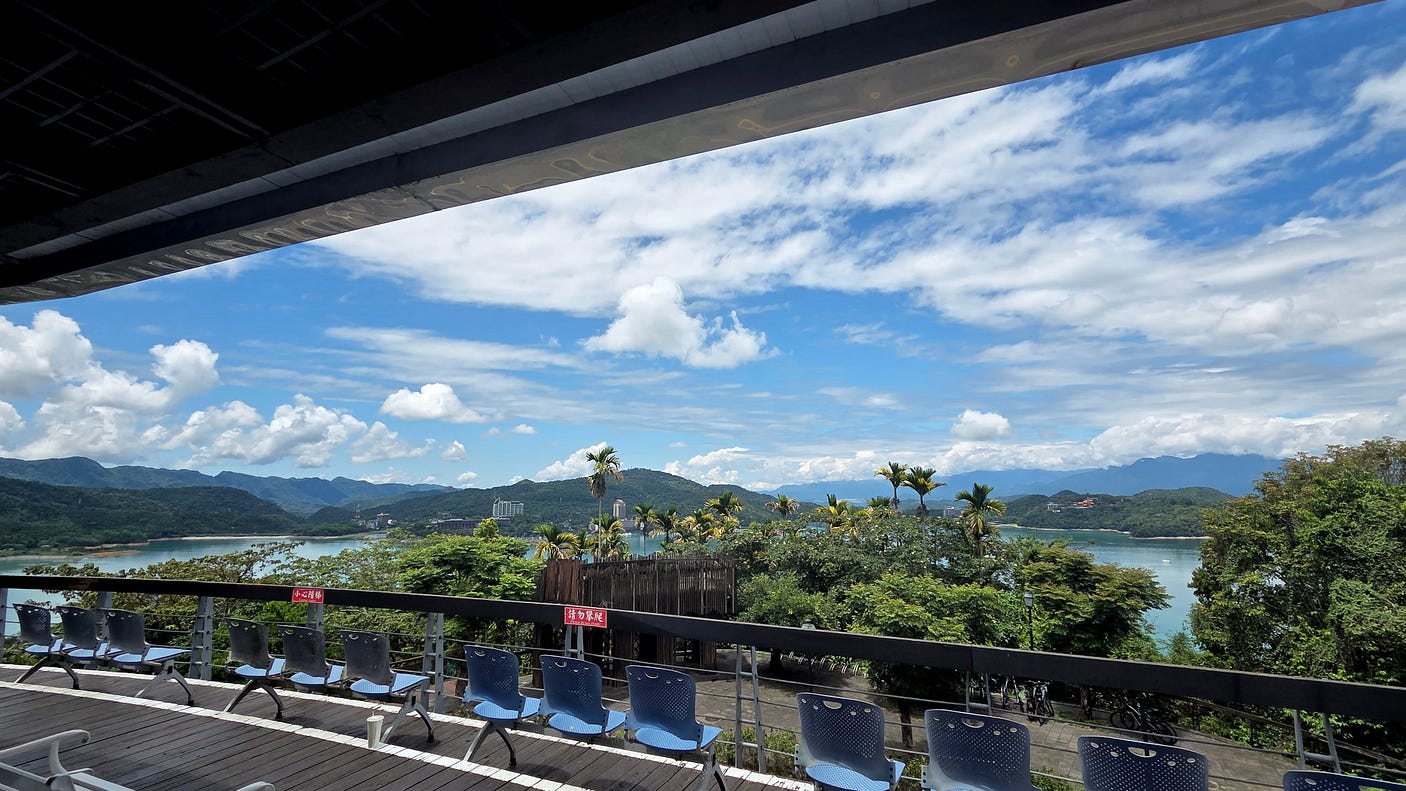
Here are a couple of photos of Sun Moon Lake, which is very beautiful, but which also show the exposed dirt and gravel banks of a lake whose level goes up and down a lot, depending on hydroelectric demand.
And here is a scenic video I made, which shows more of the lake still.
Today, Sun Moon Lake, which stands at a nominal height of 748 metres above sea level, can generate just over 2.7 GW from its turbines, which include a pumped-storage system. That is the equivalent of about 8 million solar panels. Or to put it another way, enough to power about a million homes.
2.7 GW cannot be generated for long. But that is how much can be generated for a short time, if Sun Moon Lake were filled to the brim by pumping water uphill to store it in the lake beforehand.
Anyway, that is a huge amount of power!
The area around Sun Moon Lake is home to the indigenous Thao people, described as “savages” in the following page from a book called The Savage Tribes of Formosa, published exactly 100 years ago in 1926.
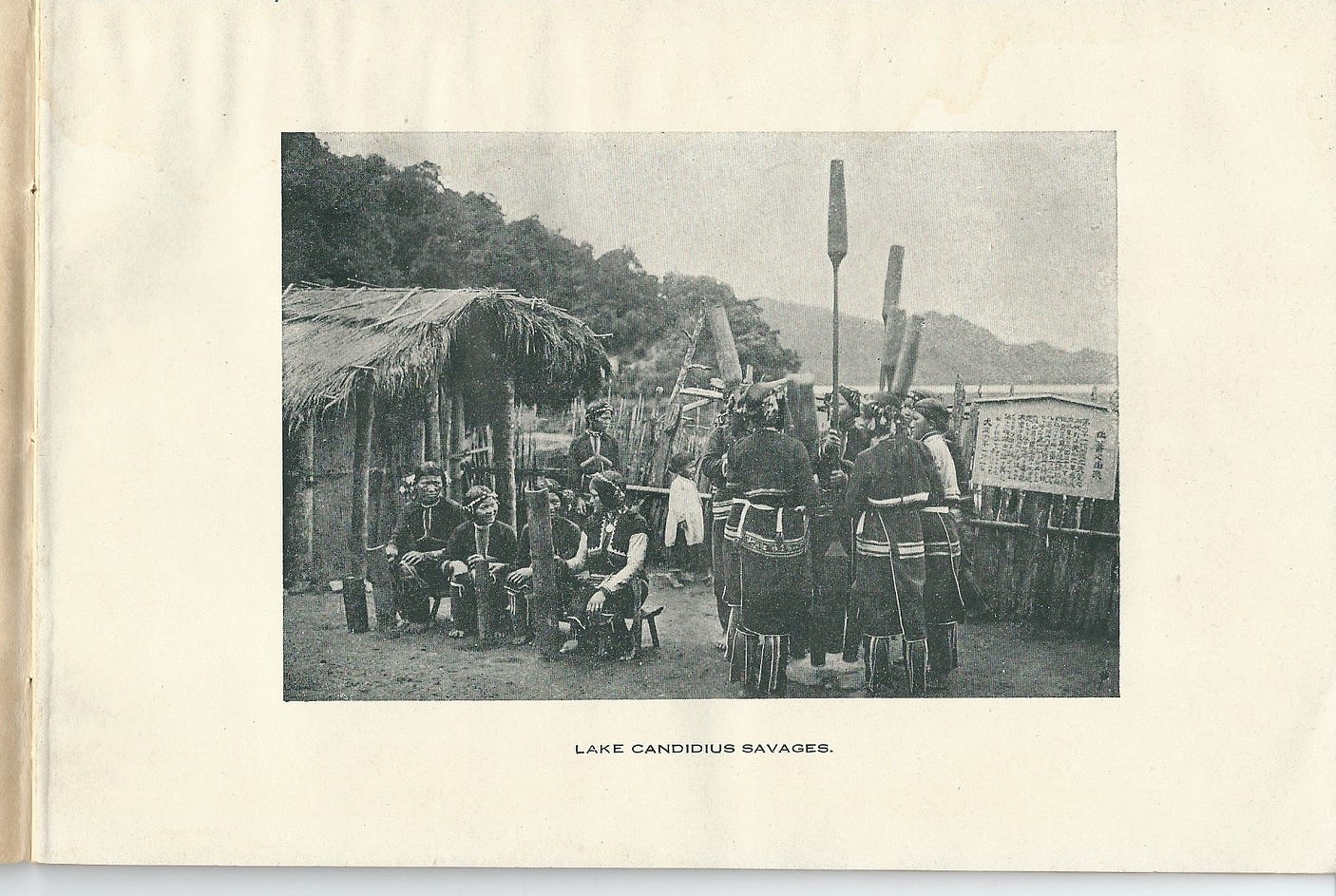
The page refers to Sun Moon Lake as Lake Candidius, the usual name among Westerners back then. That name honoured the Dutch missionary Georgius Candidius, active in the days when Dutch influence in Taiwan was strong, though it is no longer used these days.
Today, of course, “savages” would be seen as even more unPC than a Western name for an Asian lake.
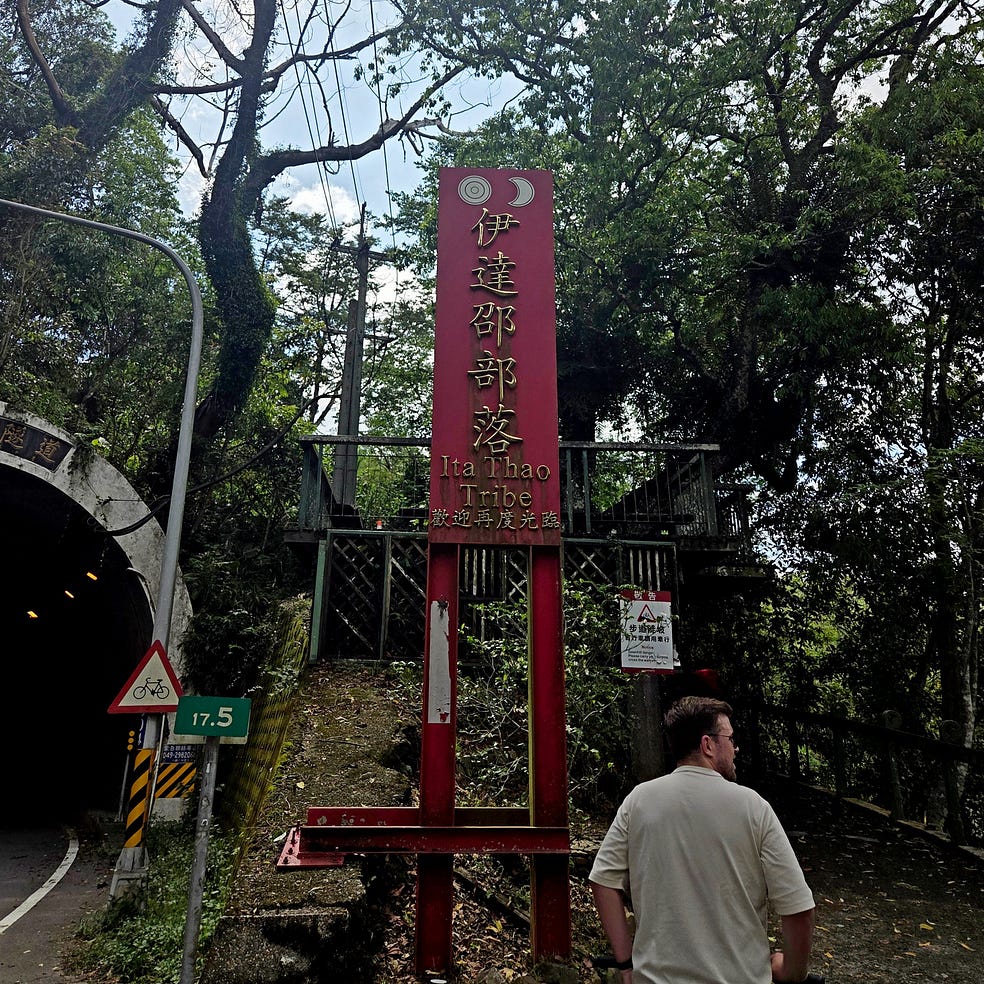
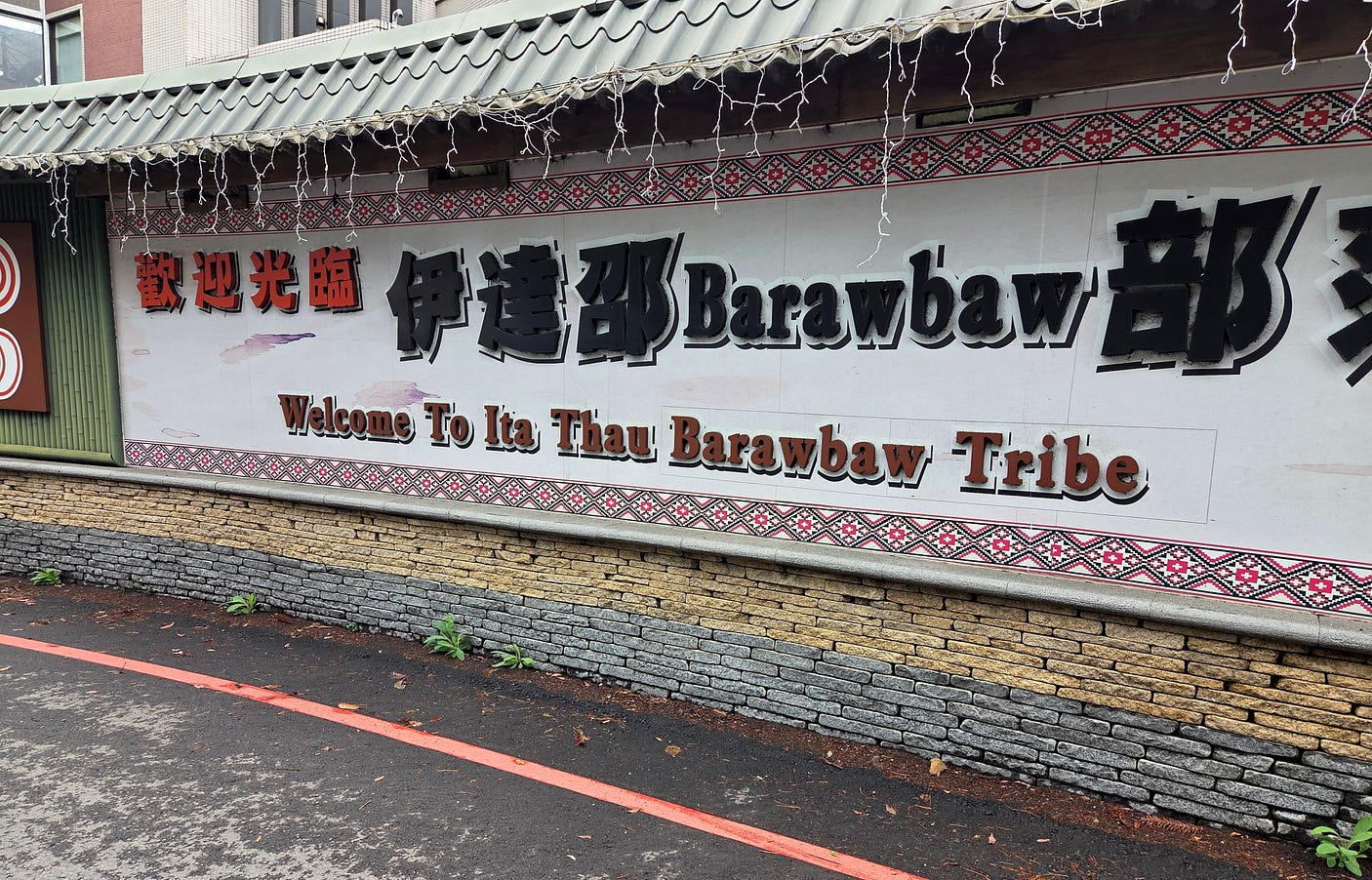
The indigenous culture also now takes part in the tourism economy. You can take a cablecar from the lake to a Thao village, known as Ita Thao or Lah Thao, in the mountains.
Chinese temples were also built on the lake’s shores. Because of the dams and the raising of the lake, some of the old temples had to be removed and new ones built.
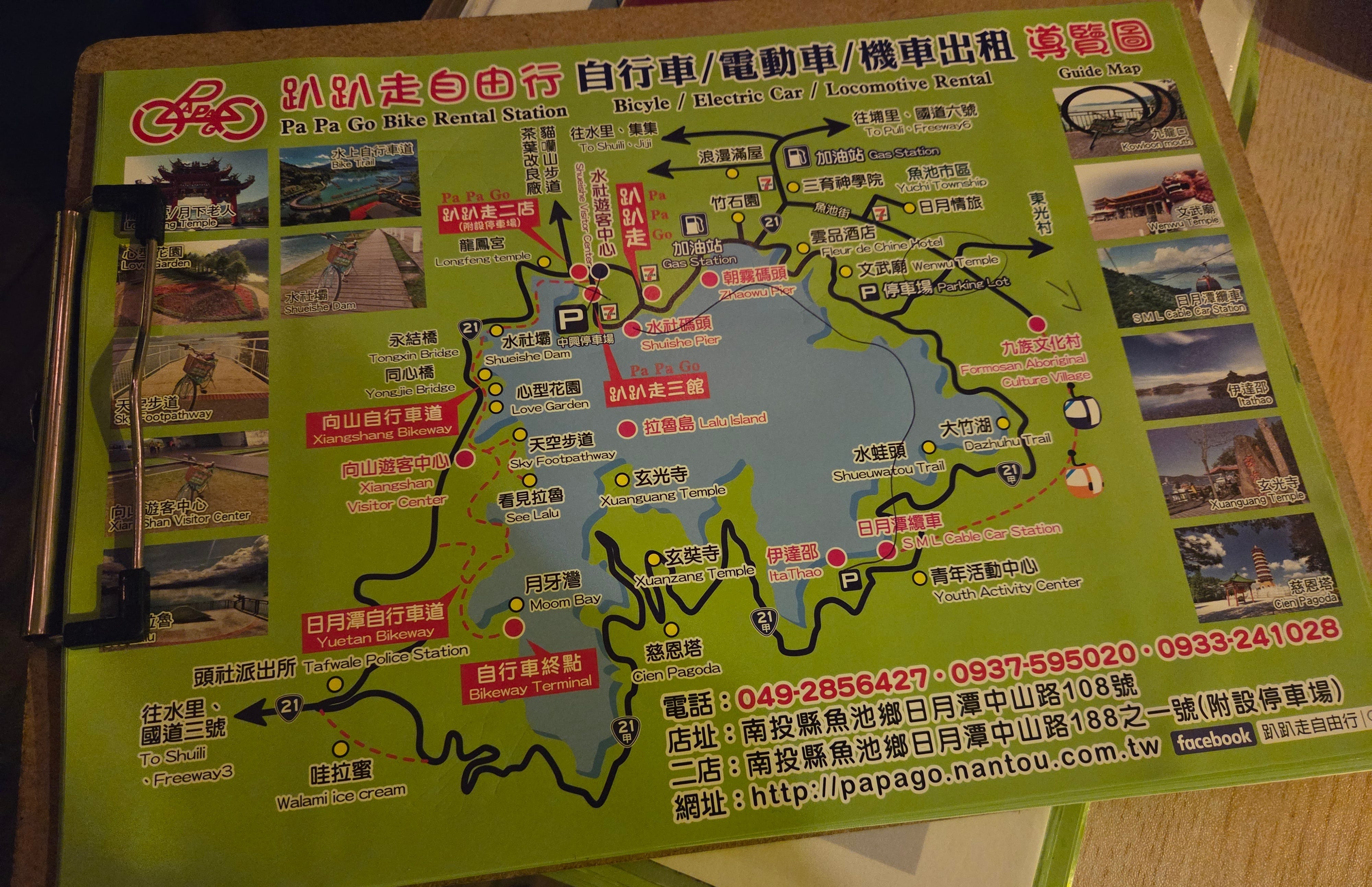
Here’s a giveaway flyer describing Sun Moon Lake and its modern attractions.
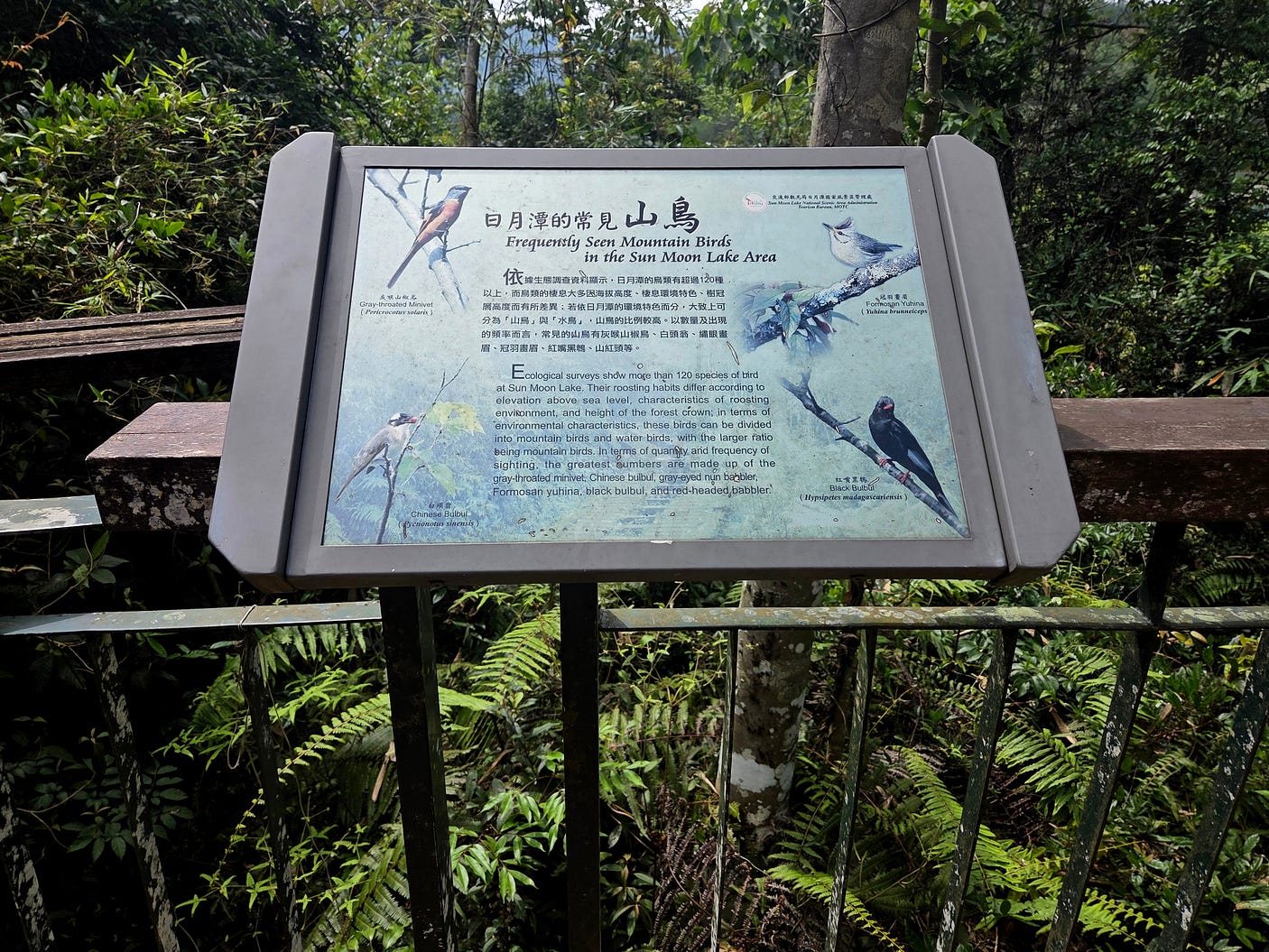
You can go for a wander in the trails above the lake, in the comparatively cool mountain forests.
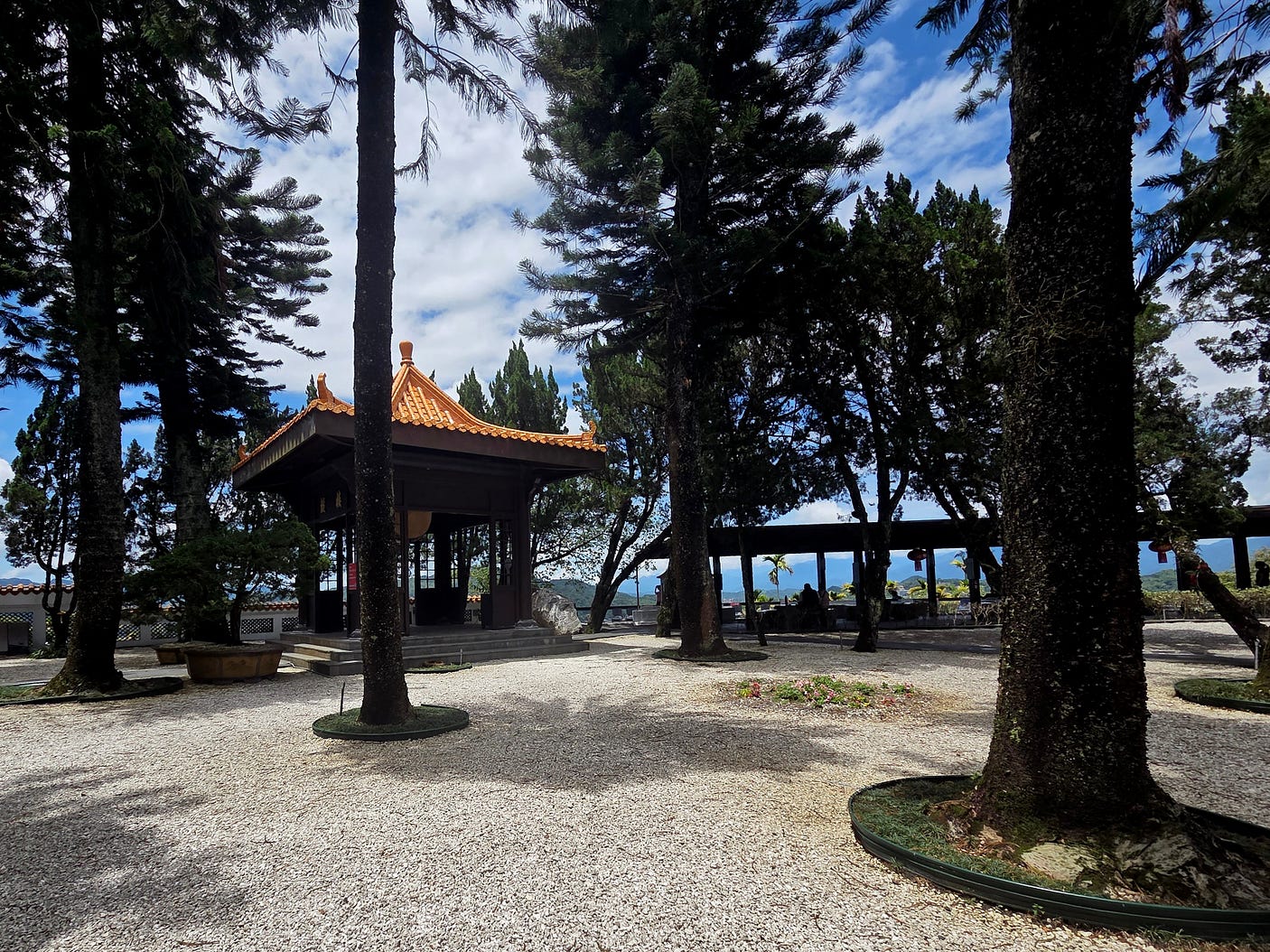
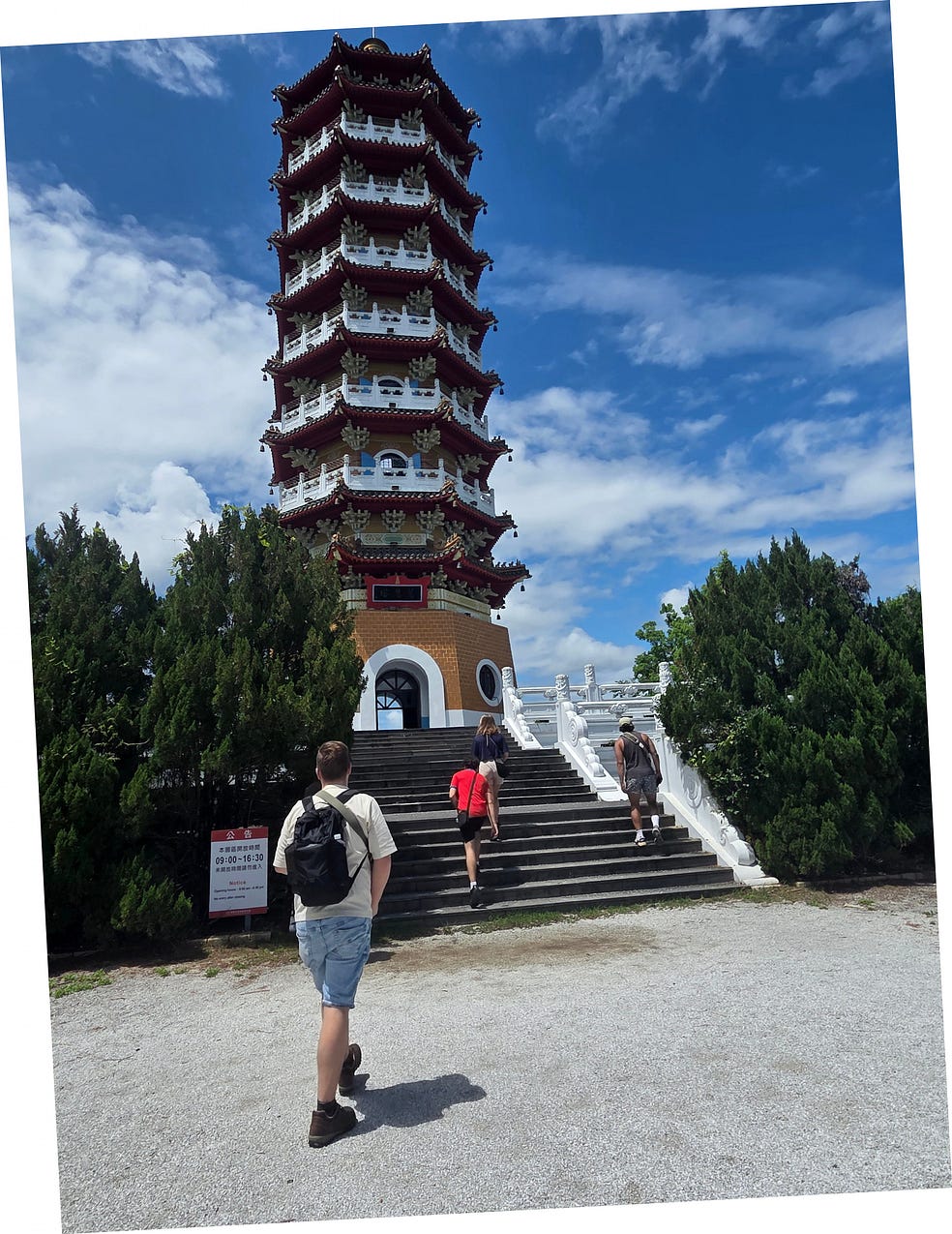
As always in Taiwan, there are lots of temples and pagodas. The next photograph shows the Ci’en Pagoda, built by the order of Chiang Kai-Shek. You can go up it for the best views over the lake.
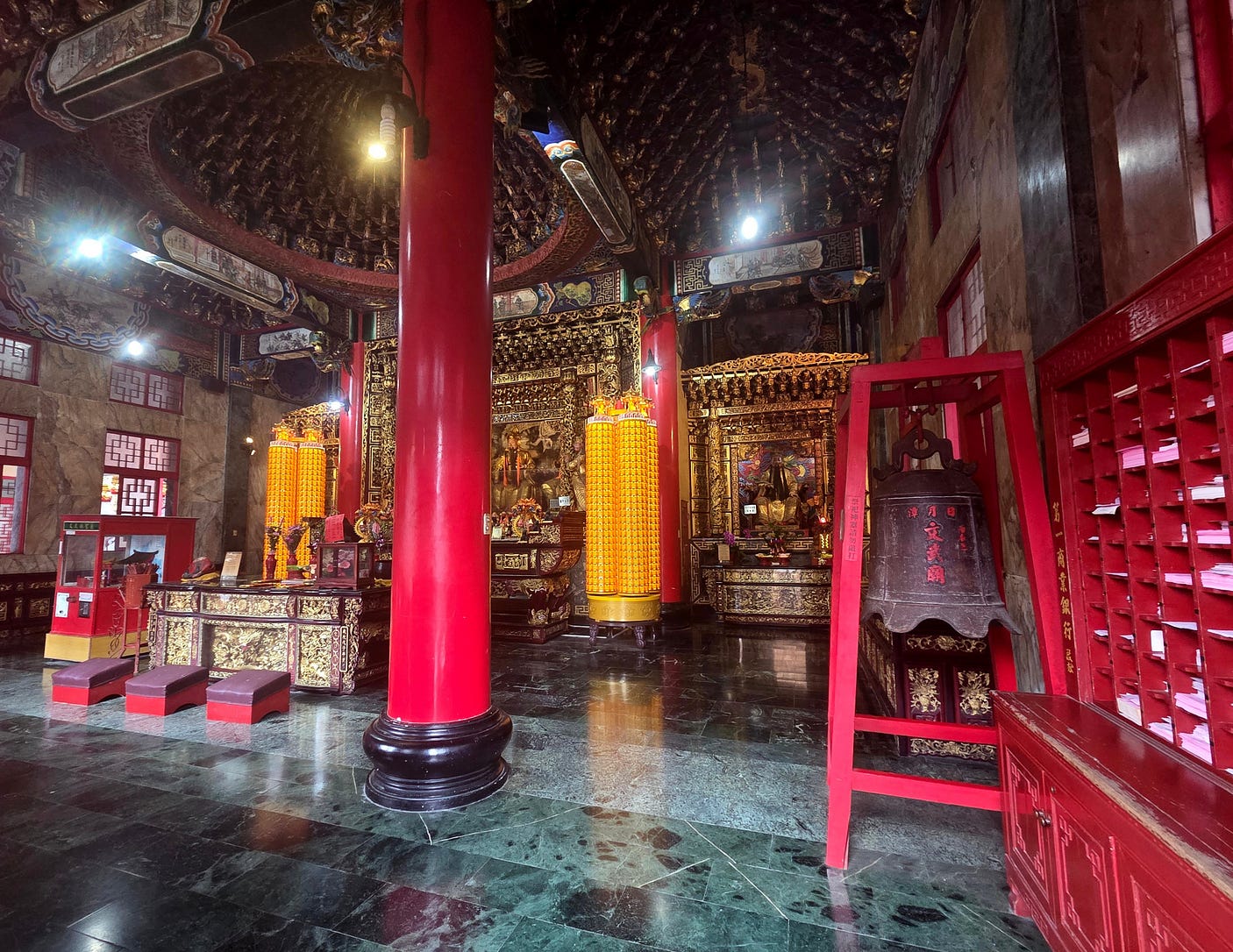
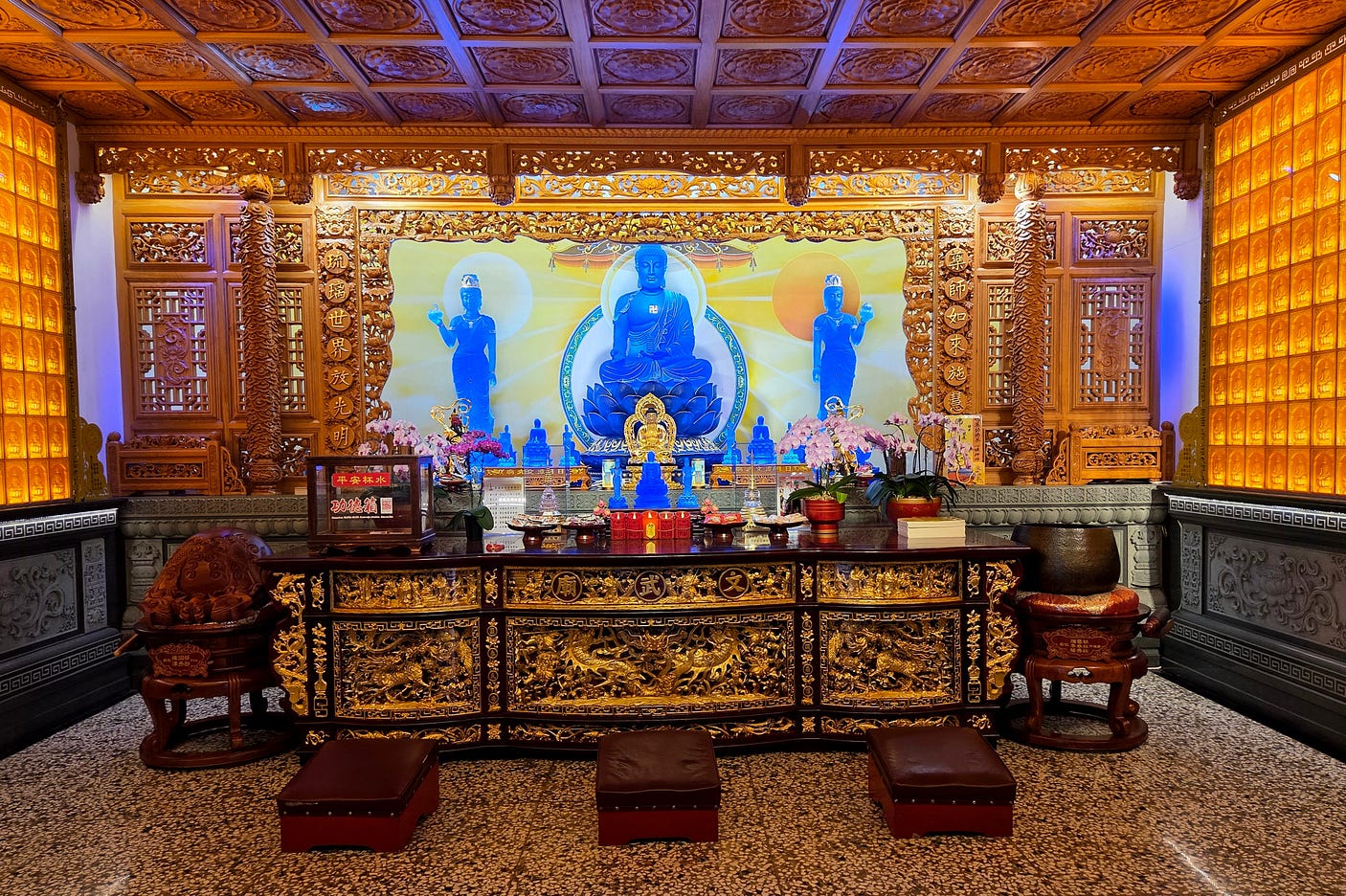
And the Wen Wu Temple, built under Japanese rule to replace temples drowned by the raising of the lake and enlarged in 1969.
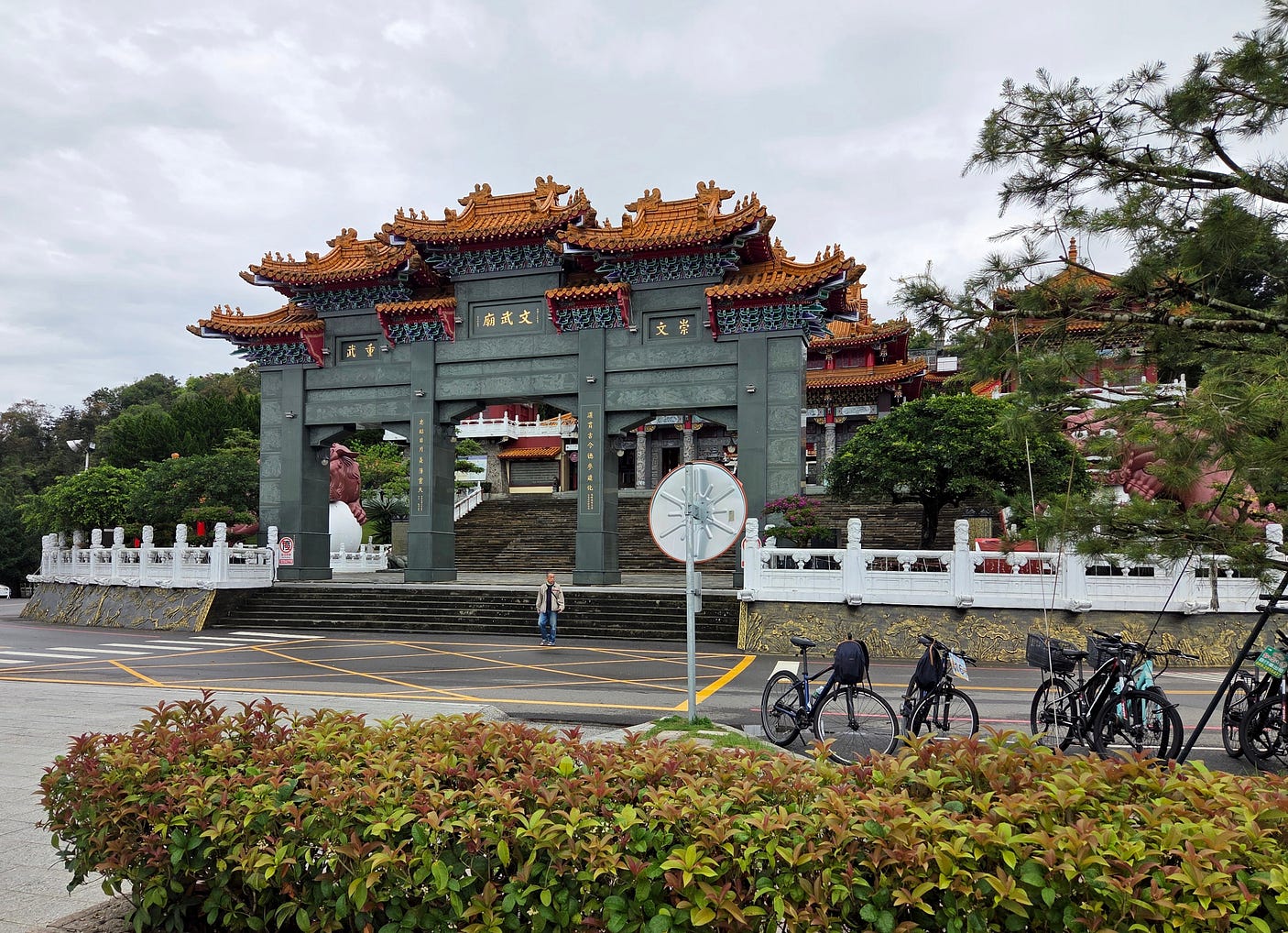
Wen Wu, which literally means Peace-War or Civility-War, is actually a type of temple, rather than anything unique to Sun Moon Lake.
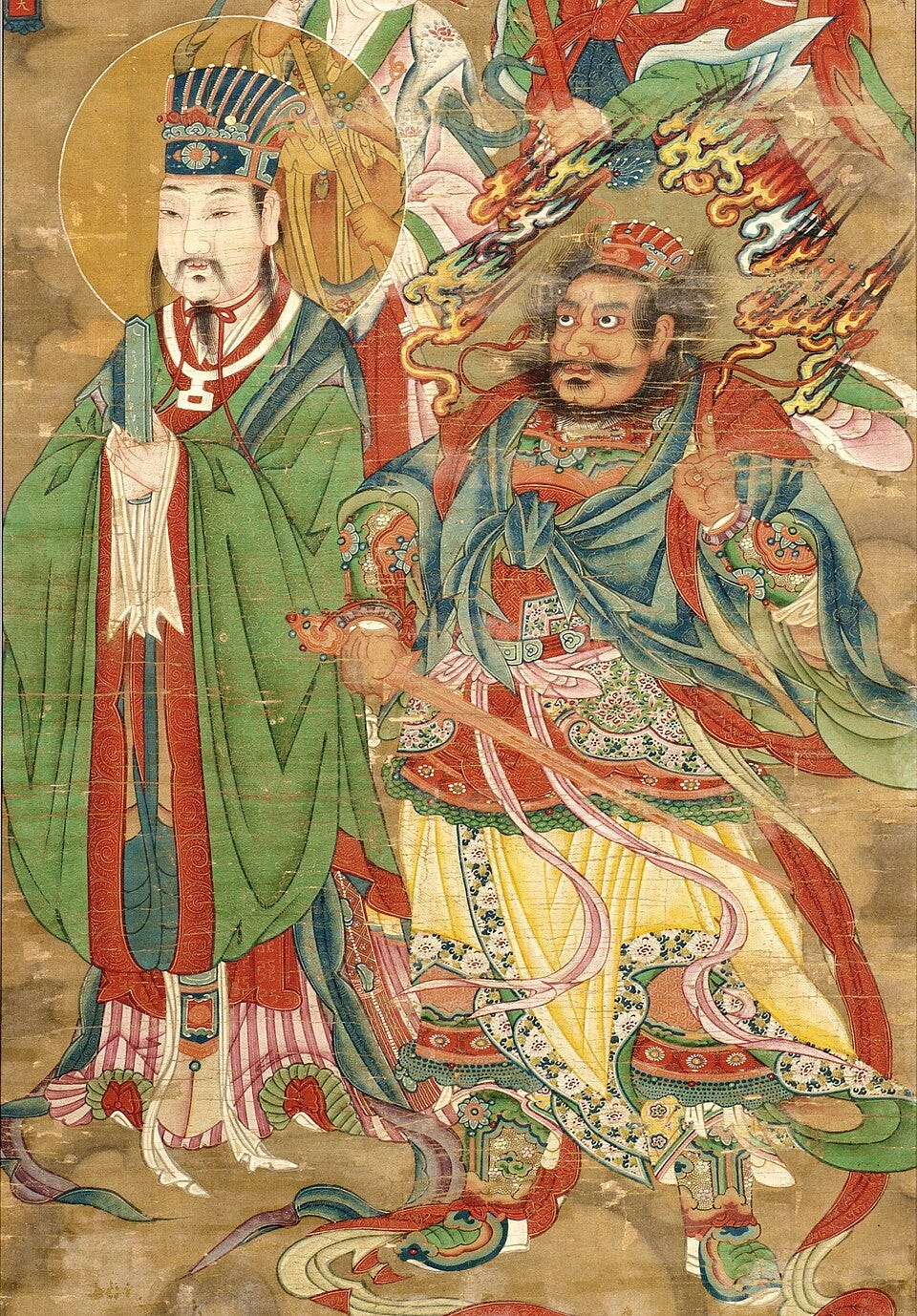
The following detail from a Qing painting illustrates the Wen Wu principle with a saintly scholar-bureaucrat, representing Wen, next to a thunder god in military regalia, representing Wu, which actually doesn’t just stand for for war but also for initiative, decisive action, and getting things done, in circumstances where the scholar-bureaucrat might call for another report — a most interesting philosophy of government and, for that matter, of life!
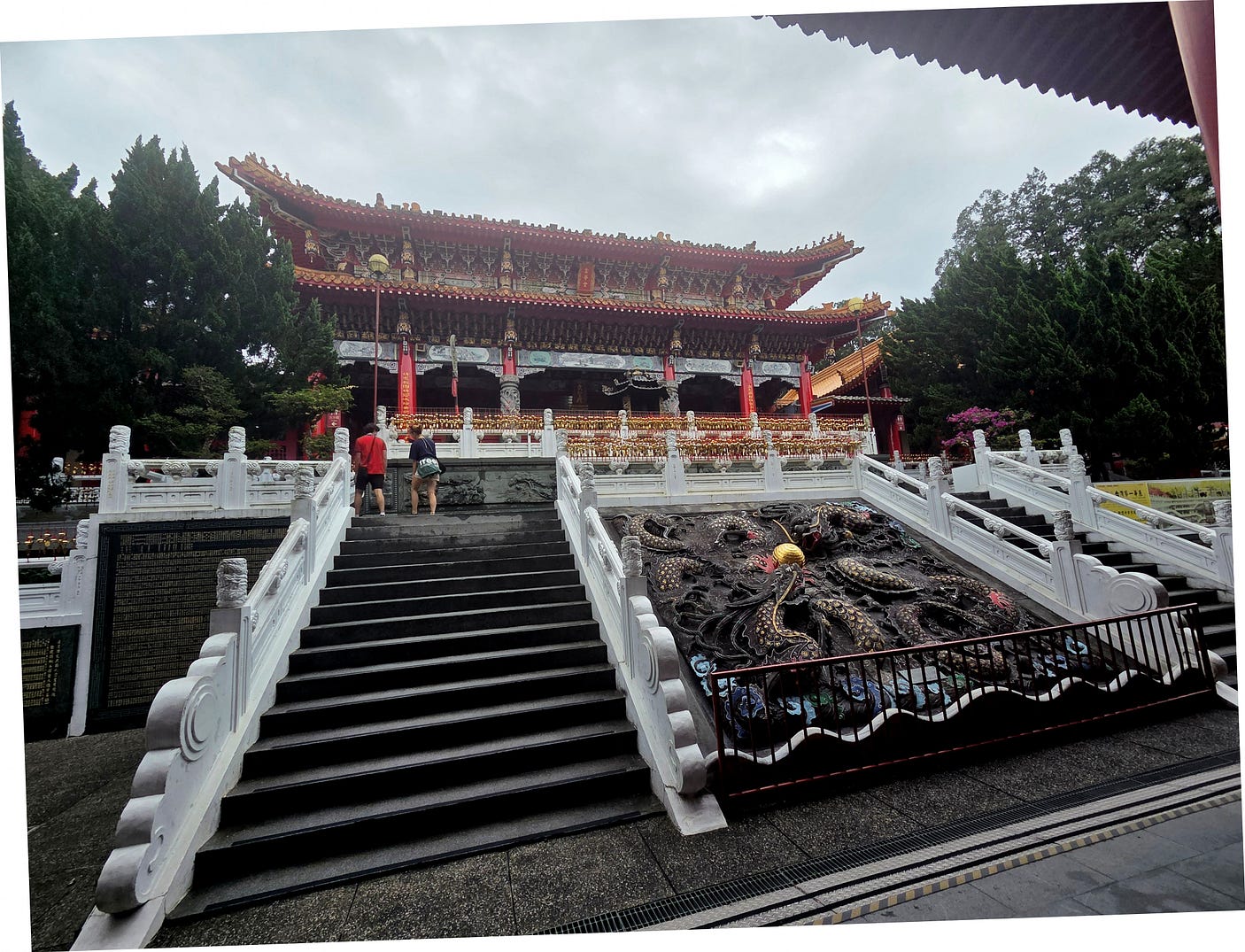
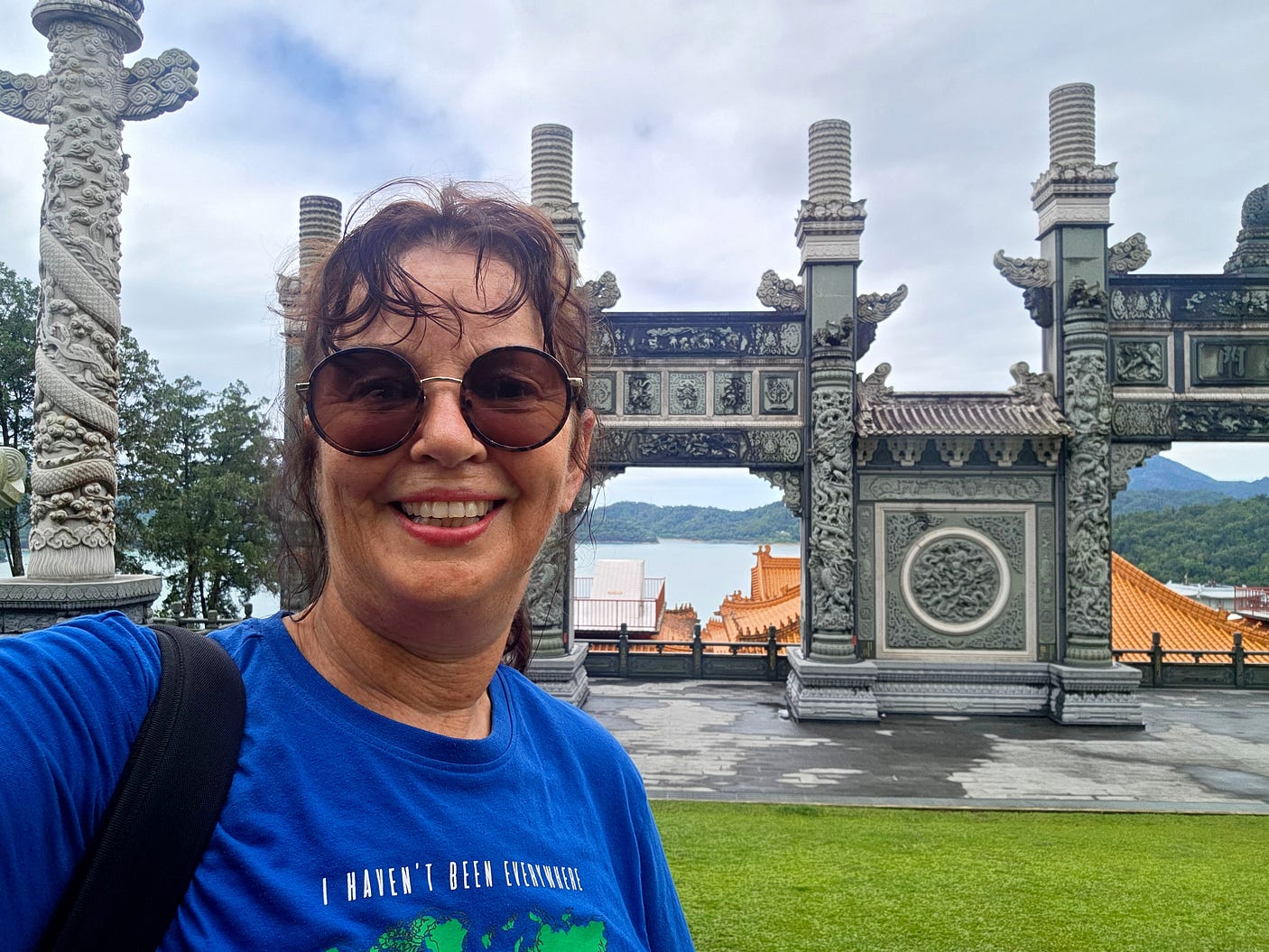
Here is a video I made of the gates of the Wen Wu Temple:
And here is a video I made of the interior, and of some more of the carvings:
There was another temple dedicated to Xuan Xang, a sage of ancient times.
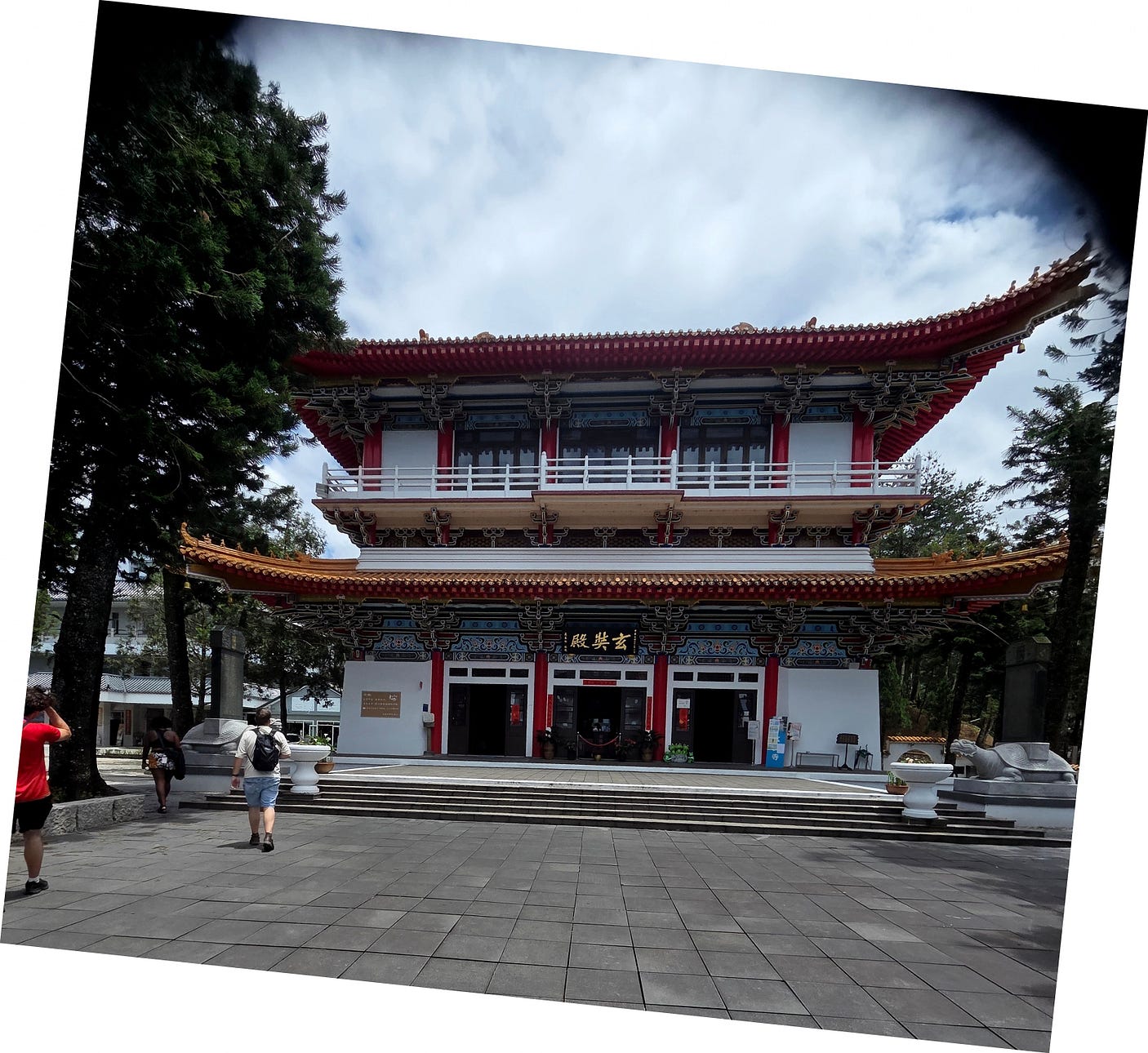
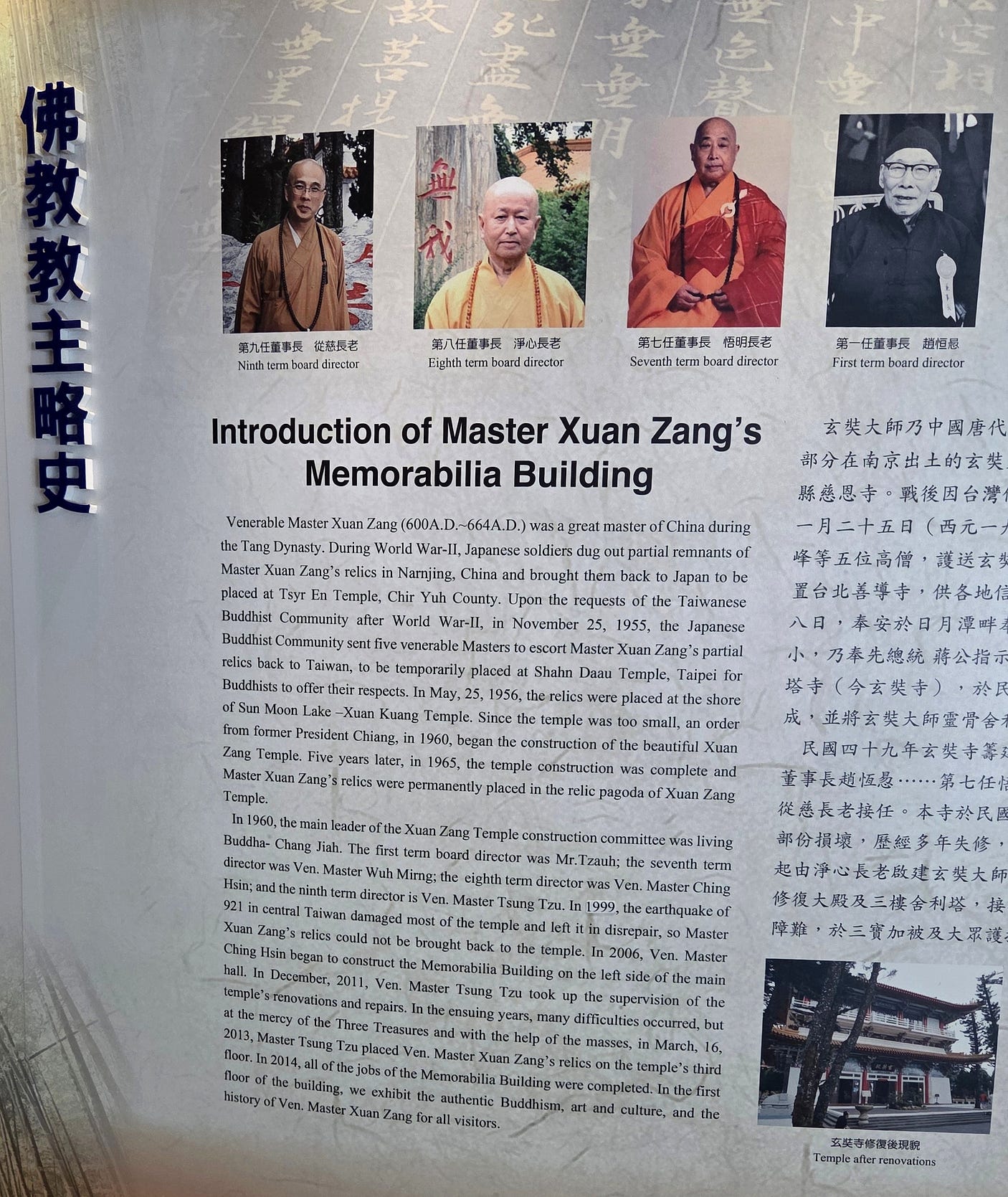
The wanderings of Xuan Zang, into India and back.
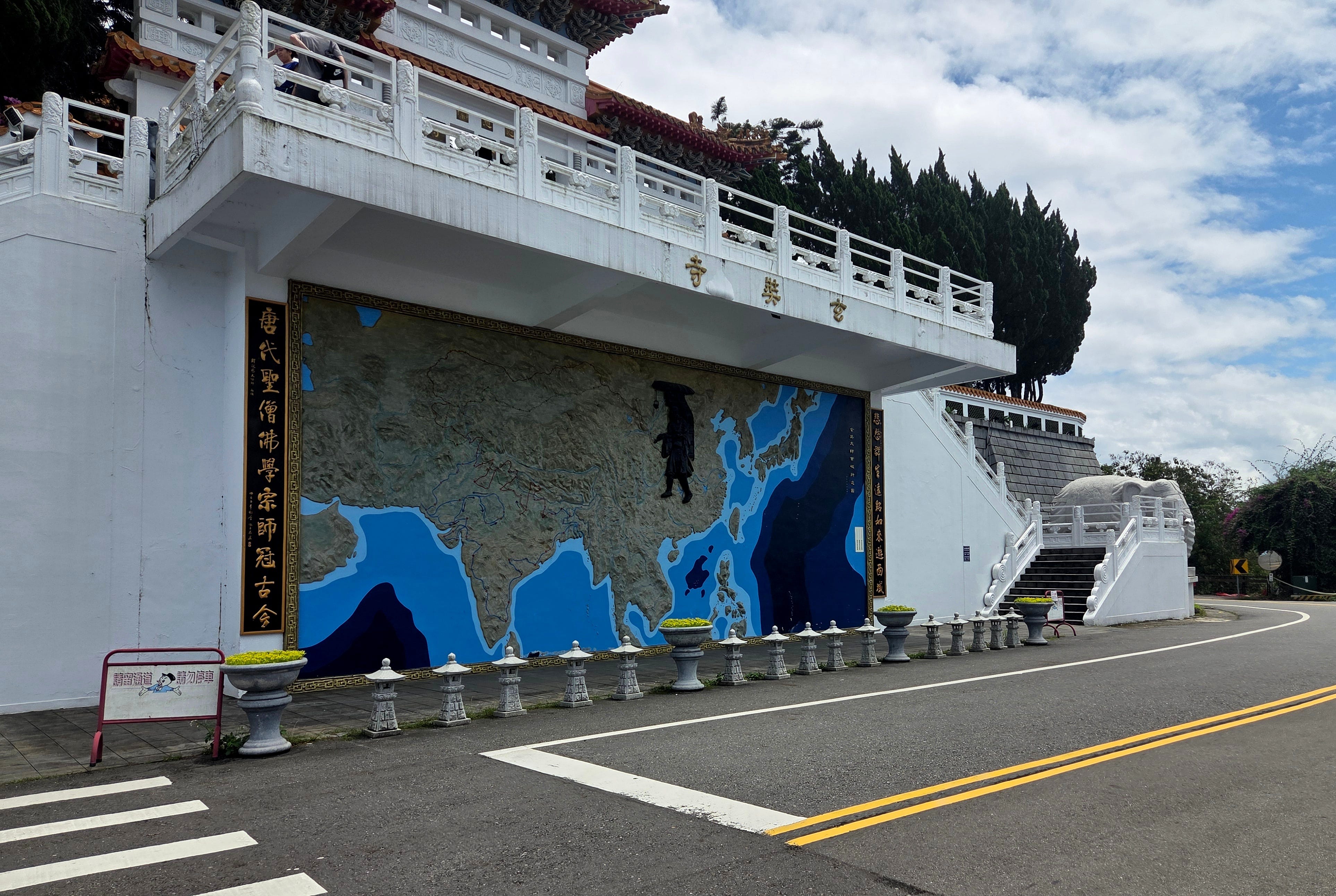
(It was at around that time that some Indian gods were brought back to China, such as the monkey god.)
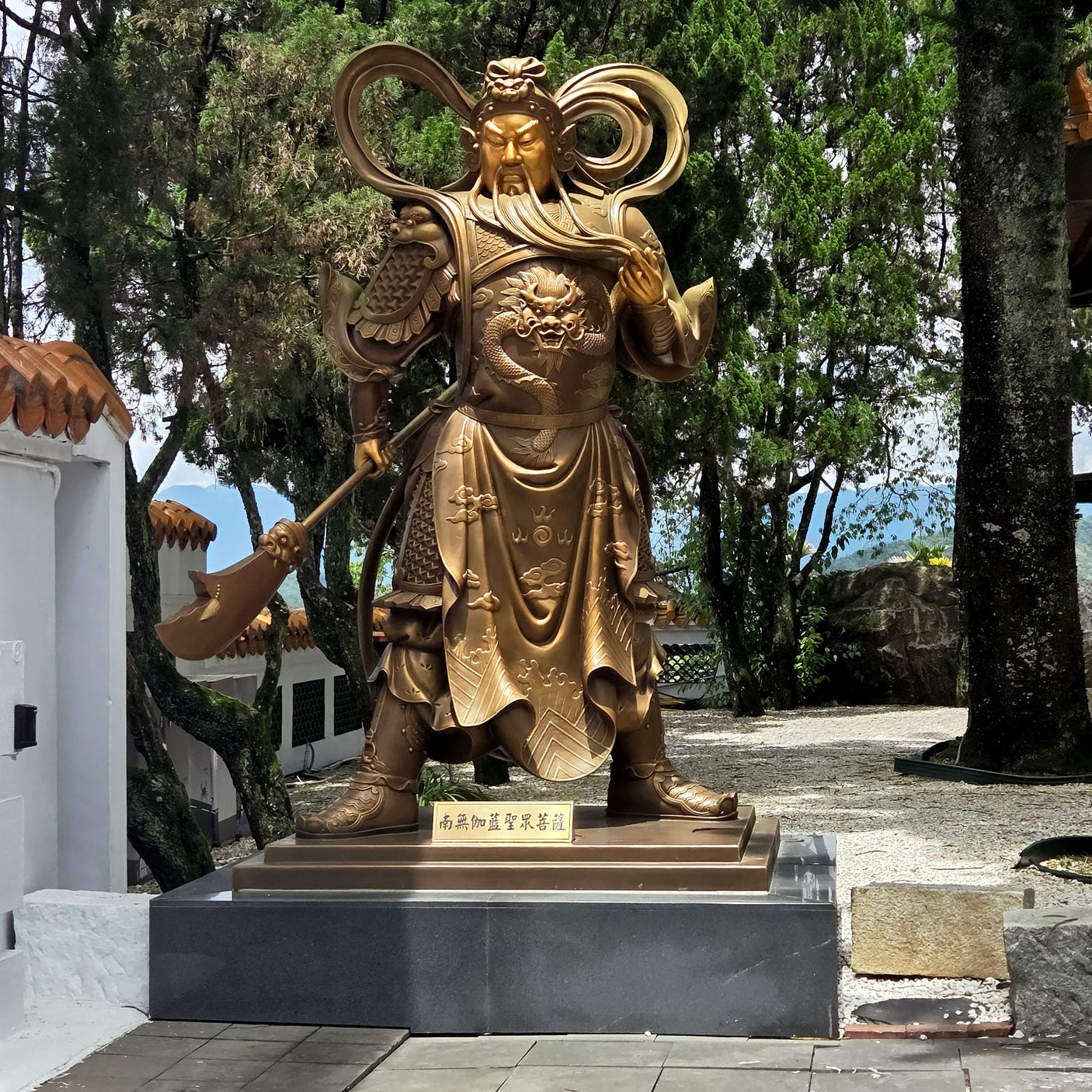
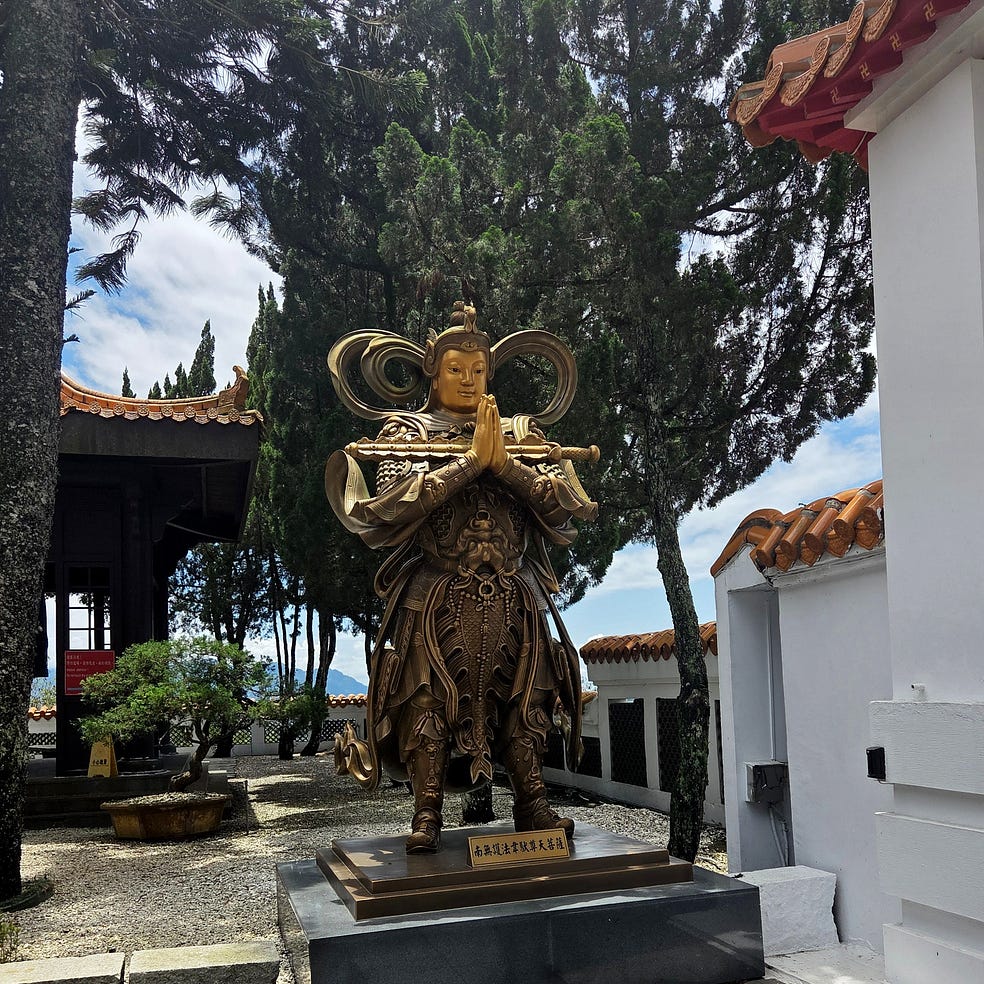
And some gilded statues.
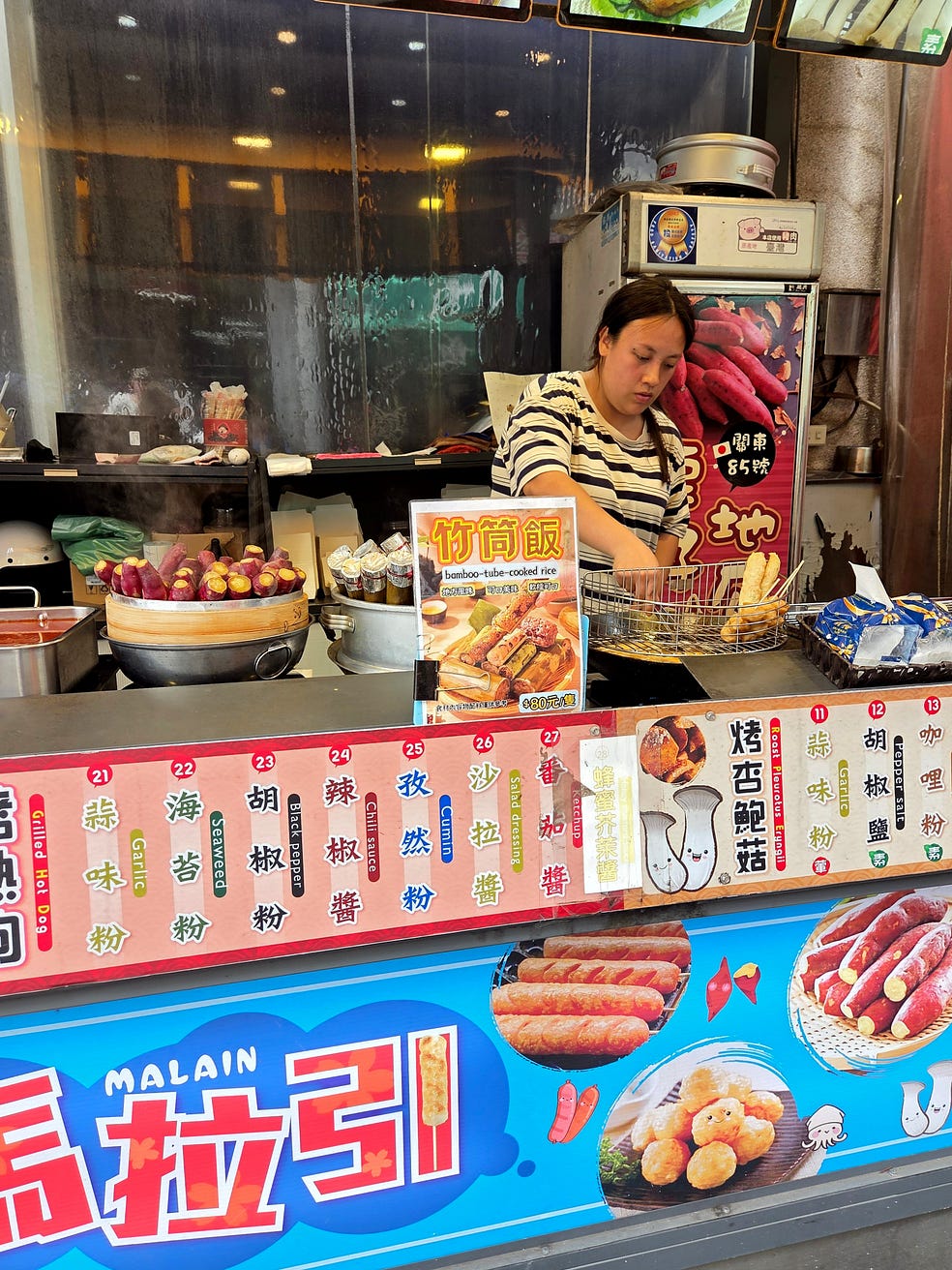
There’s also a small town near the lake, called Yuchi, where it is possible to get Chinese food (of course!).
I stayed at a hostel called Dreamy Nomads, which was clean and really great! I met five other people in the hostel. You could hire e-bikes at the hostel, so we hired e-bikes and went around the lake the next day.
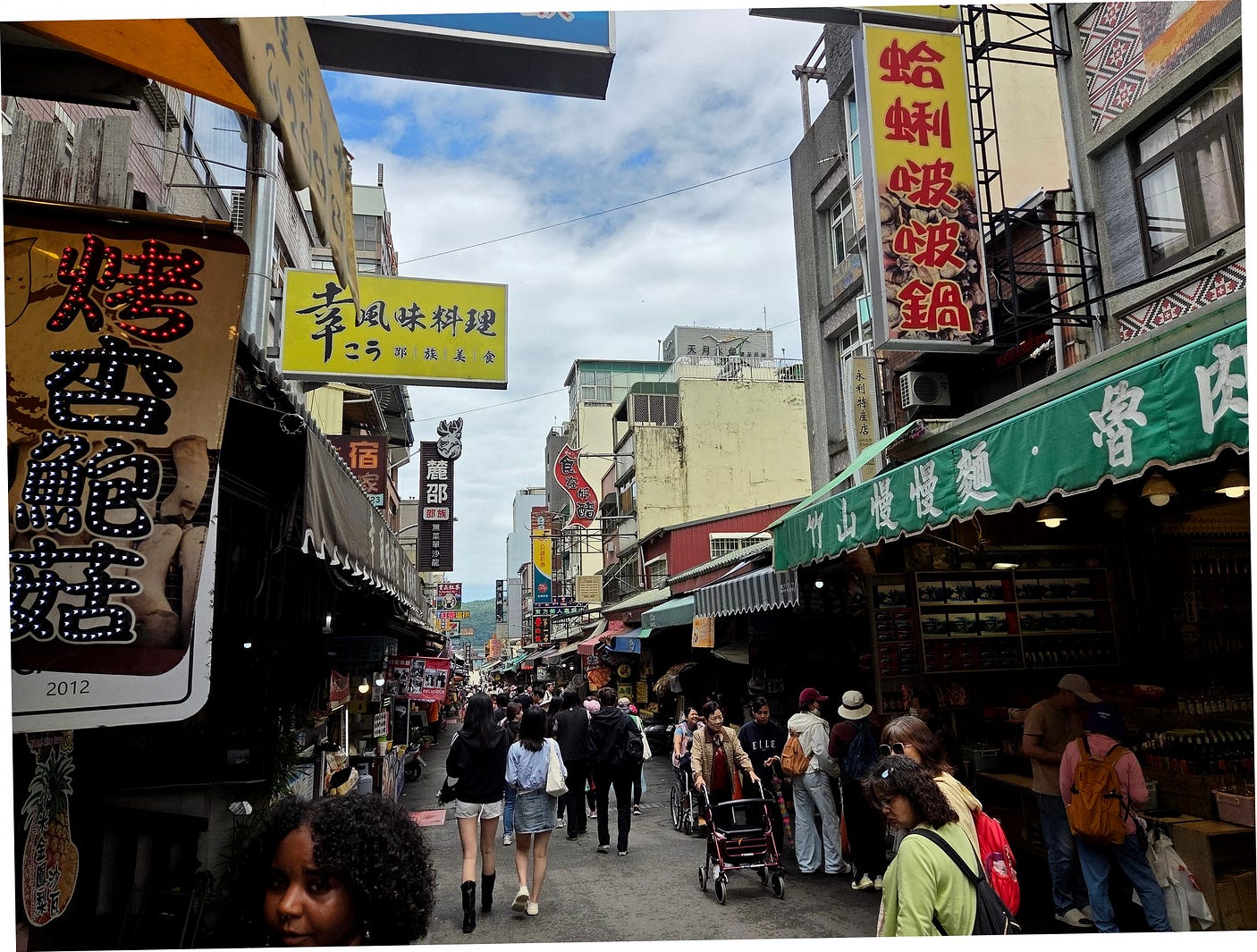
I really enjoyed Sun Moon Lake!
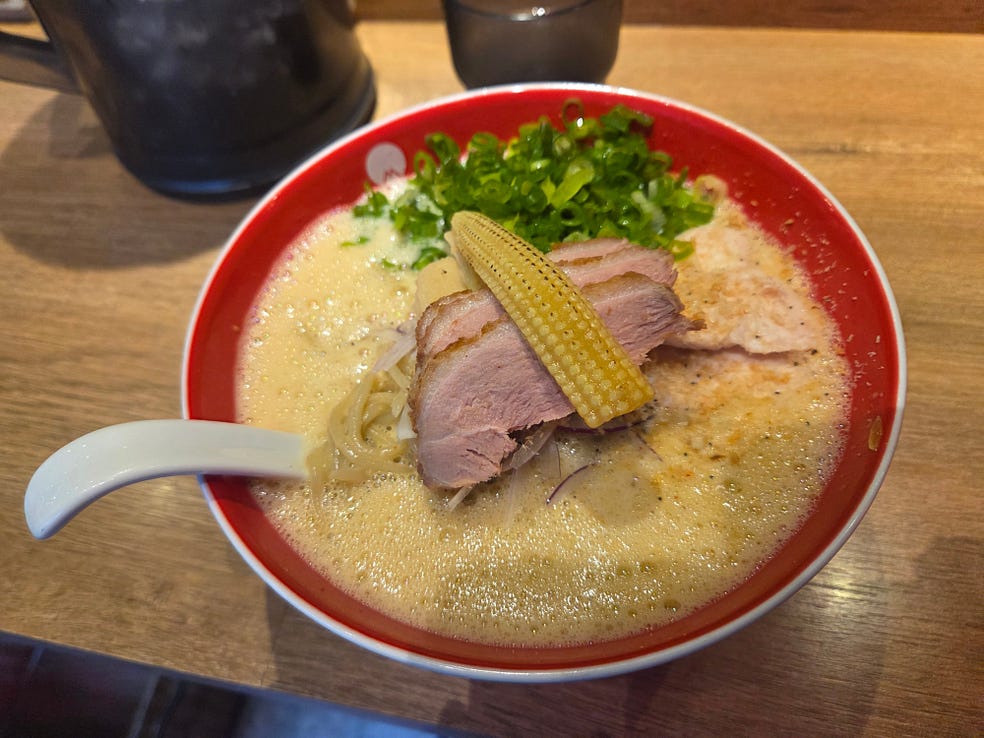
And so back to Taichung, where I had dinner in Park Lane by CMP:
Next week, I head to Hong Kong and Macao!
PS: Since this post was published, I’ve written a book about Taiwan — you can purchase it on geni.us/Taiwan.
Subscribe to our mailing list to receive free giveaways!


