Giveaways
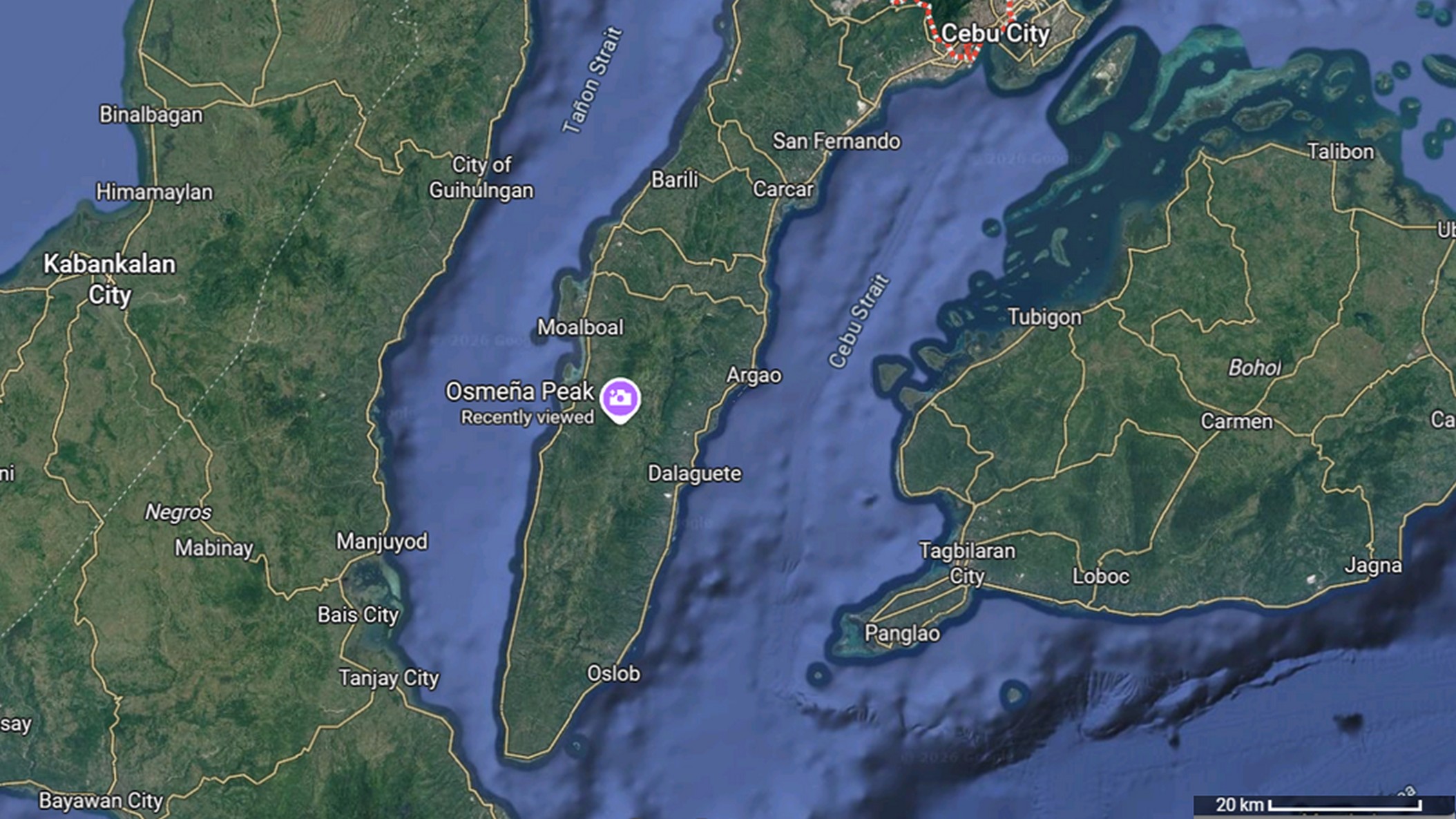
FROM Cebu City, I set out for Moalboal, a crazy place where there are all kinds of things to do!
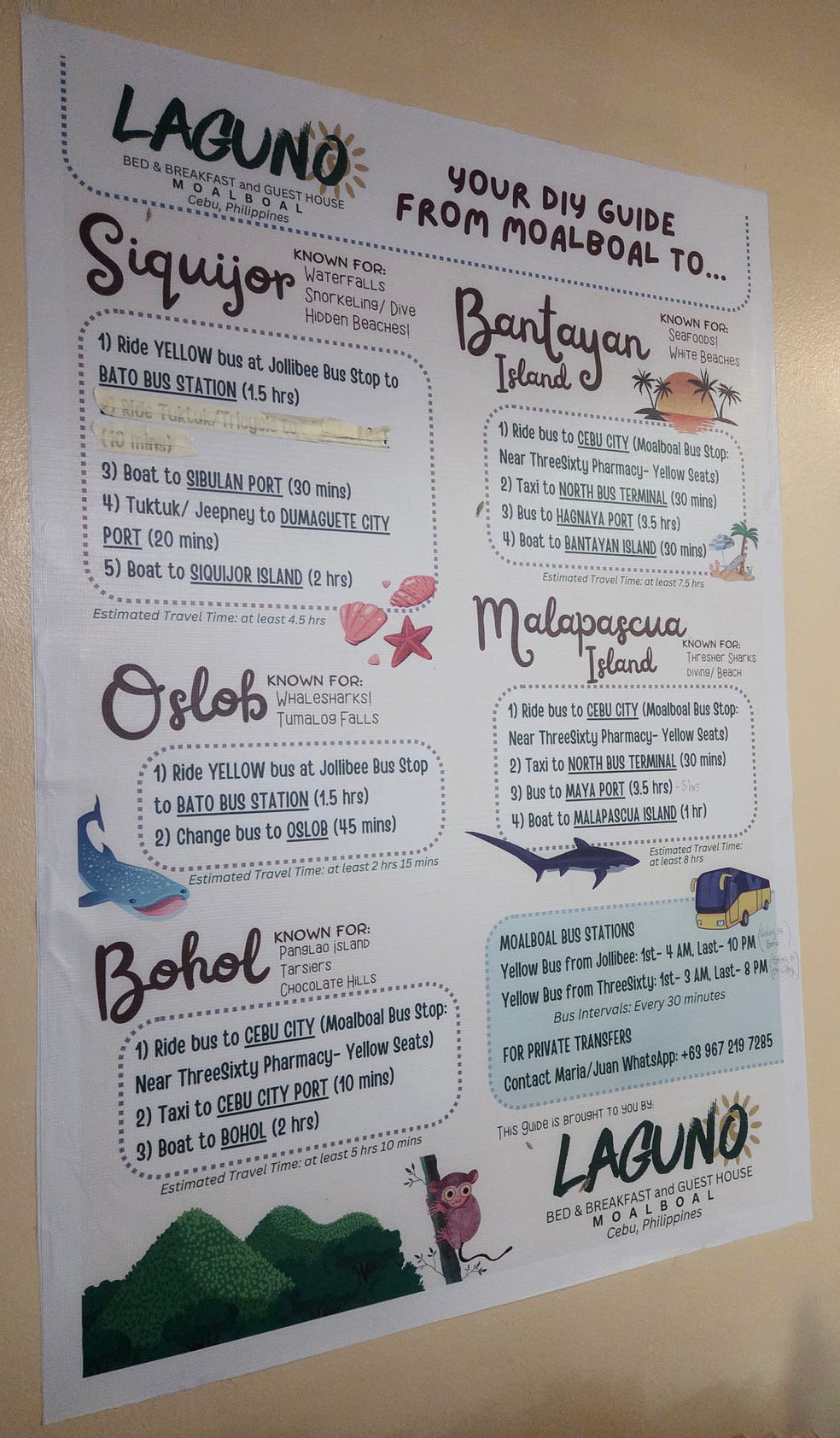
Moalboal sits at the northern end of the spectacularly beautiful Badian Bay. While I was in Moalboal, I stayed at a family-run hostel called the Laguno Hostel, source of the sign above.
The Laguno Hostel is in the central city area. There were eateries on the wharf and fast food outlets, so there were heaps of places to get food, or ingredients, onions, tomatoes, and fish.
I drove to the beaches, the Panagsama Beach and the White Beach, and got photos at sunset.
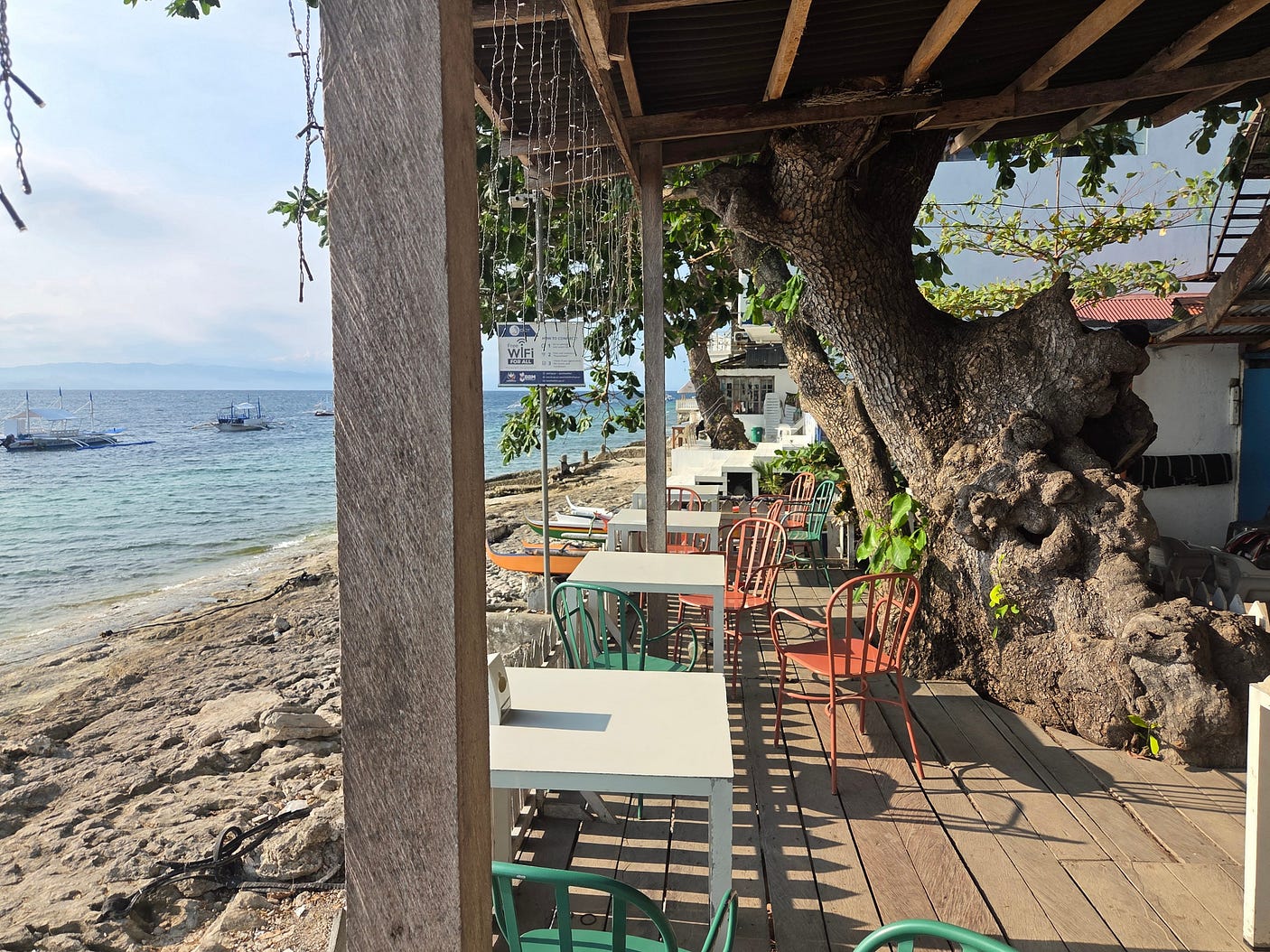
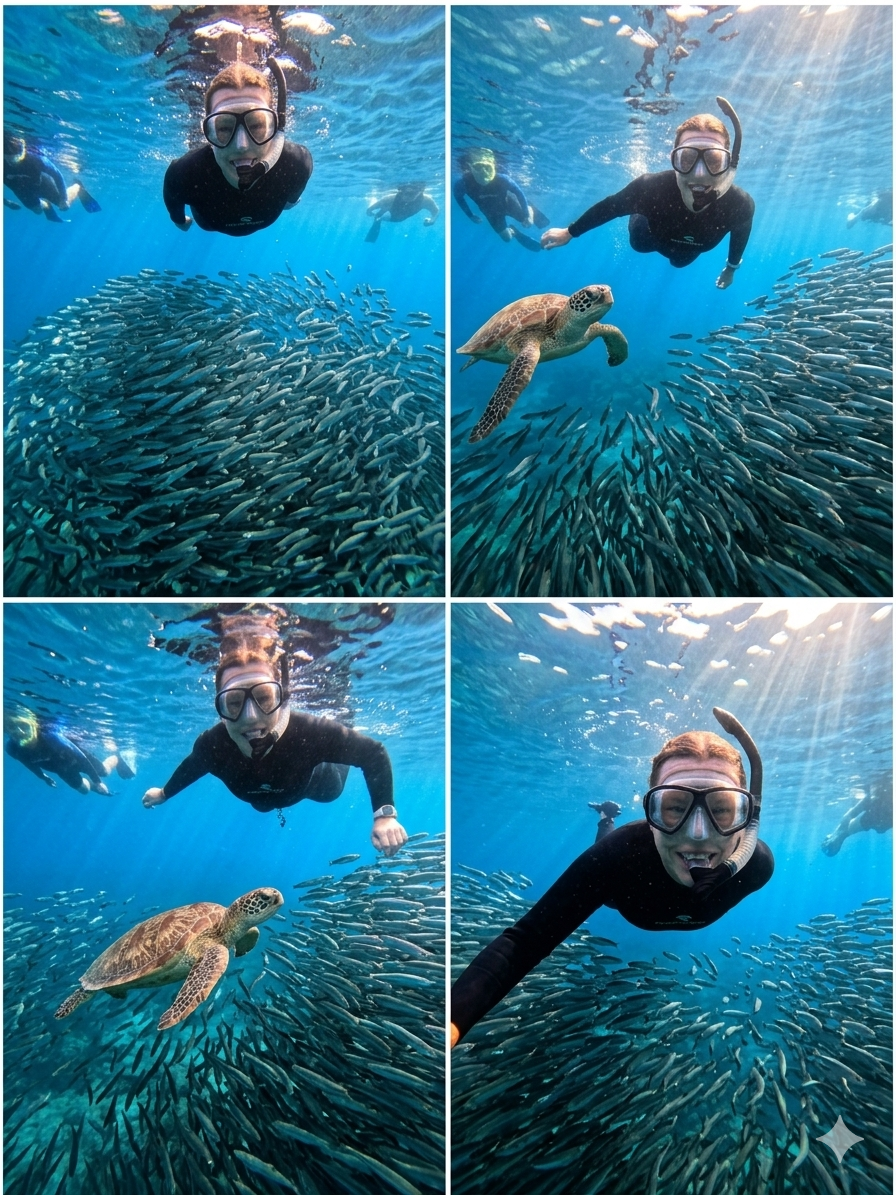
The hostel said that I could do a snorkel-with-sardines tour for 500 pesos, so I did that in the morning.
I was amazed to see that there are about twenty different kinds of sardines in the Philippines.


The next day, I hired a motorbike for a day and a half, which got me round the entire island for about 1,000 pesos.

I made sure to visit the Kawasan Falls, one of several waterfalls and springs in the area.

And continued along the beautiful blue coast of the Tañon Strait, which separates the west coast of Cebu from the island of Negros.

For most of the way south of Moalboal, the Tañon Strait is around 20 km wide.

And then I began to head up to Osmeña Peak, the tallest peak on the island.

Here’s a video taken on the way, in which, in the course of half a minute, I mention that the increasingly spectacular landscape is made from coral limestone pushed up by millions of years of earthquakes, and complain about getting a bit sore in the saddle!
But it was worth it! I went to a beautiful café in the small market village of Mantalongon, at the foot of the peak, and got the same sort of food that I got in Pusô Village back in Cebu City.
I got coconut, eggplant, seafood, fish for 70 pesos, about eight dishes, whereas, in the tourist district of Panagsama in Moalboal, it was 350 pesos just for a salad of rice, bean sprouts and lettuce.
There was also a more modern sort of restaurant, much nearer to the top. This was the Peakway Cafe and Restaurant, which is probably more expensive.
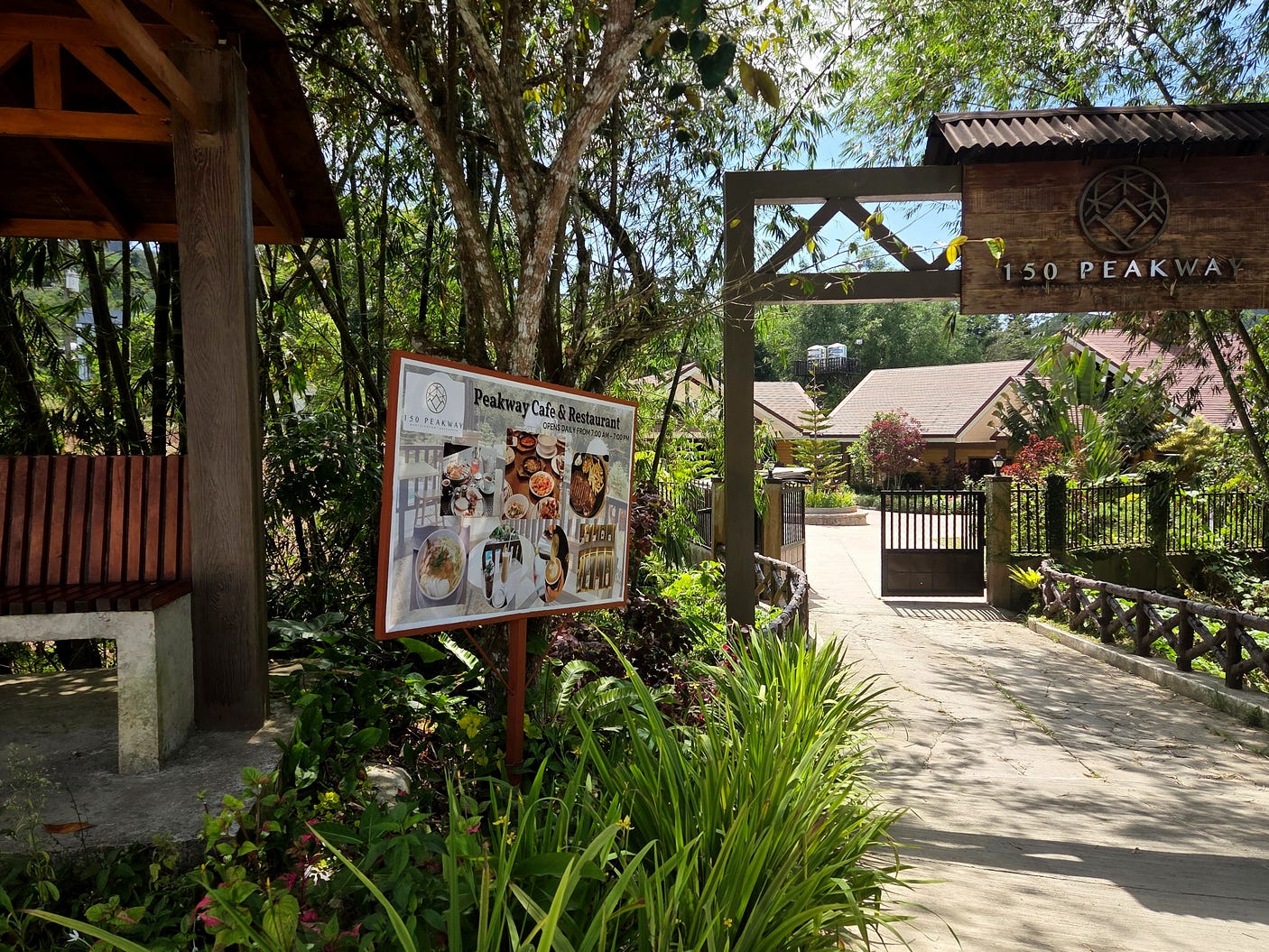
Parking the motorbike, I hiked the mountain. From the trailhead and registration area, it only takes about half an hour to get to the top if you are reasonably fit, as the distance is short.
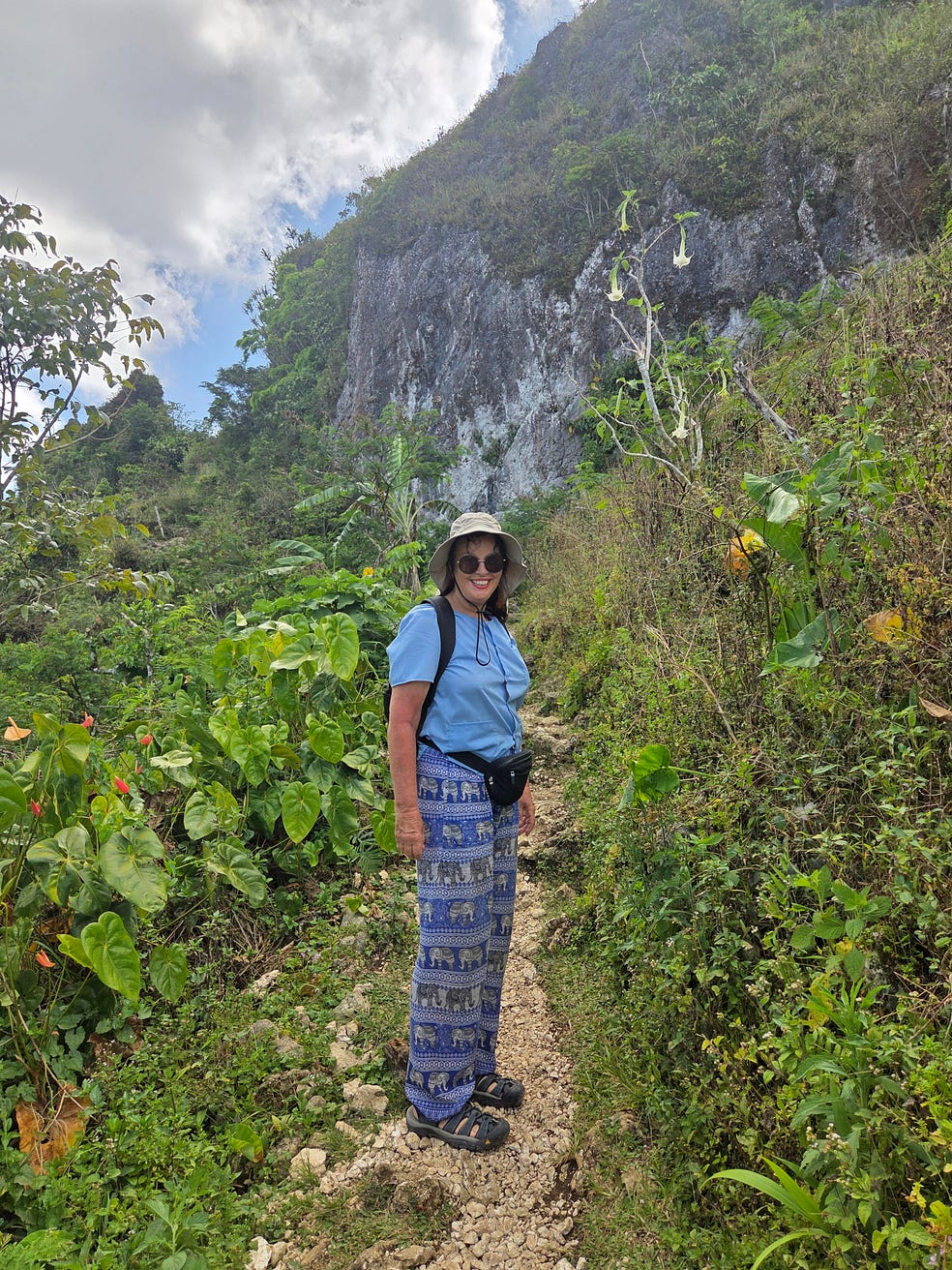
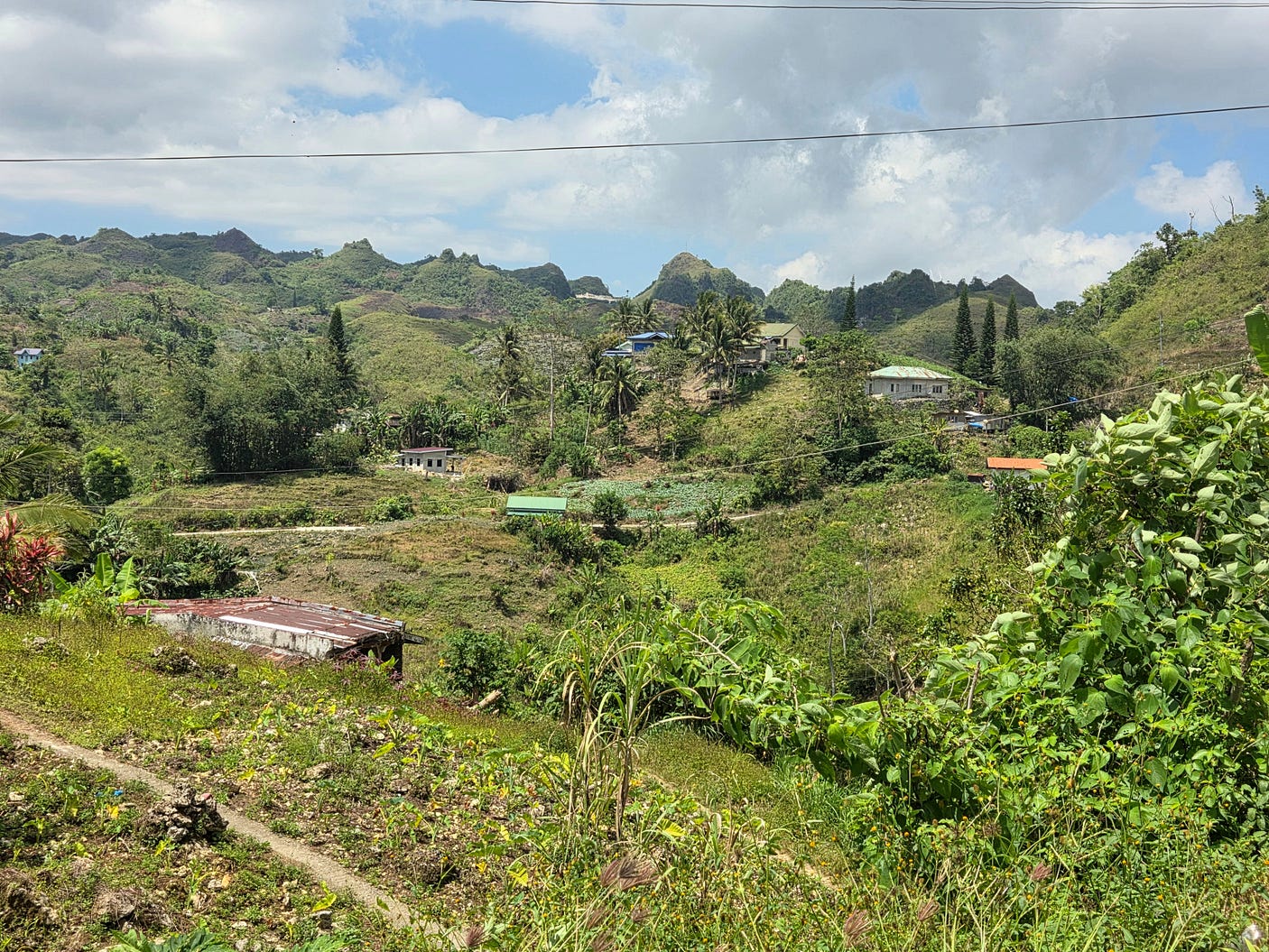
The view looking down was beautiful. What they grow there is amazing: green peppers, cabbage, and all sorts. In fact, this part of the island is known as the ‘vegetable basket of Cebu.’

It cost me 270 pesos to get to the top with a guide (it costs 30 pesos without).
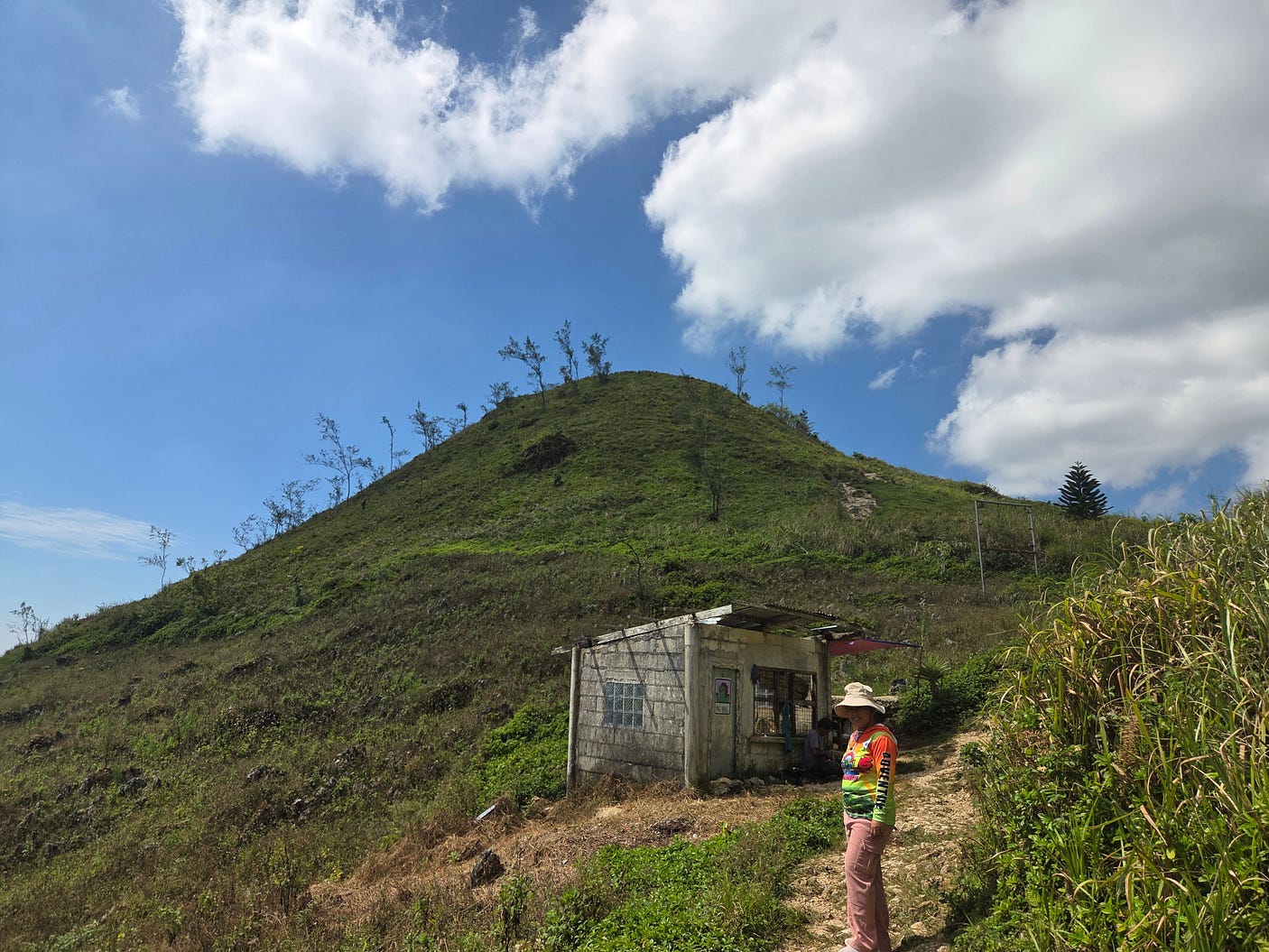
The landscape was dominated by strange outcrops. Limestone outcrops are always strange, but these were especially weird.
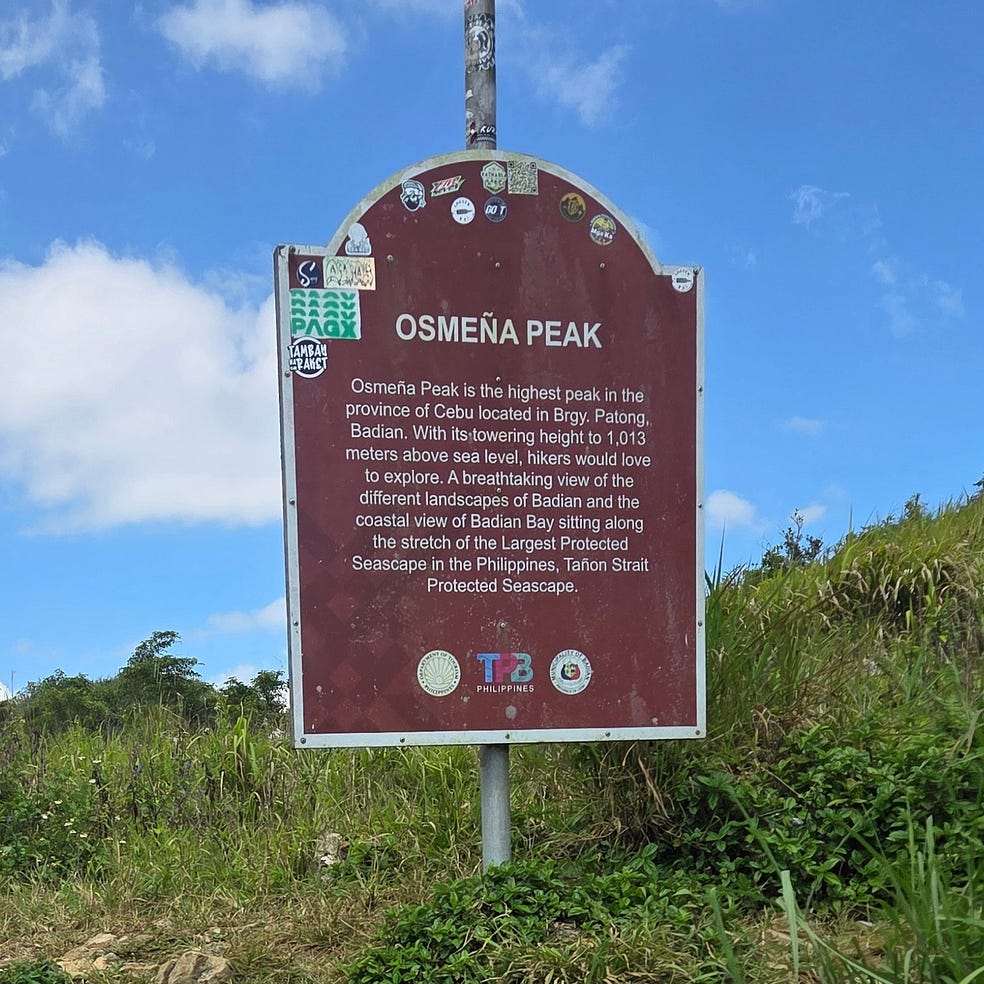
And as you got higher, you could see Badian Bay in the beautiful Tañon Strait, which, as the sign above notes, is a protected seascape.
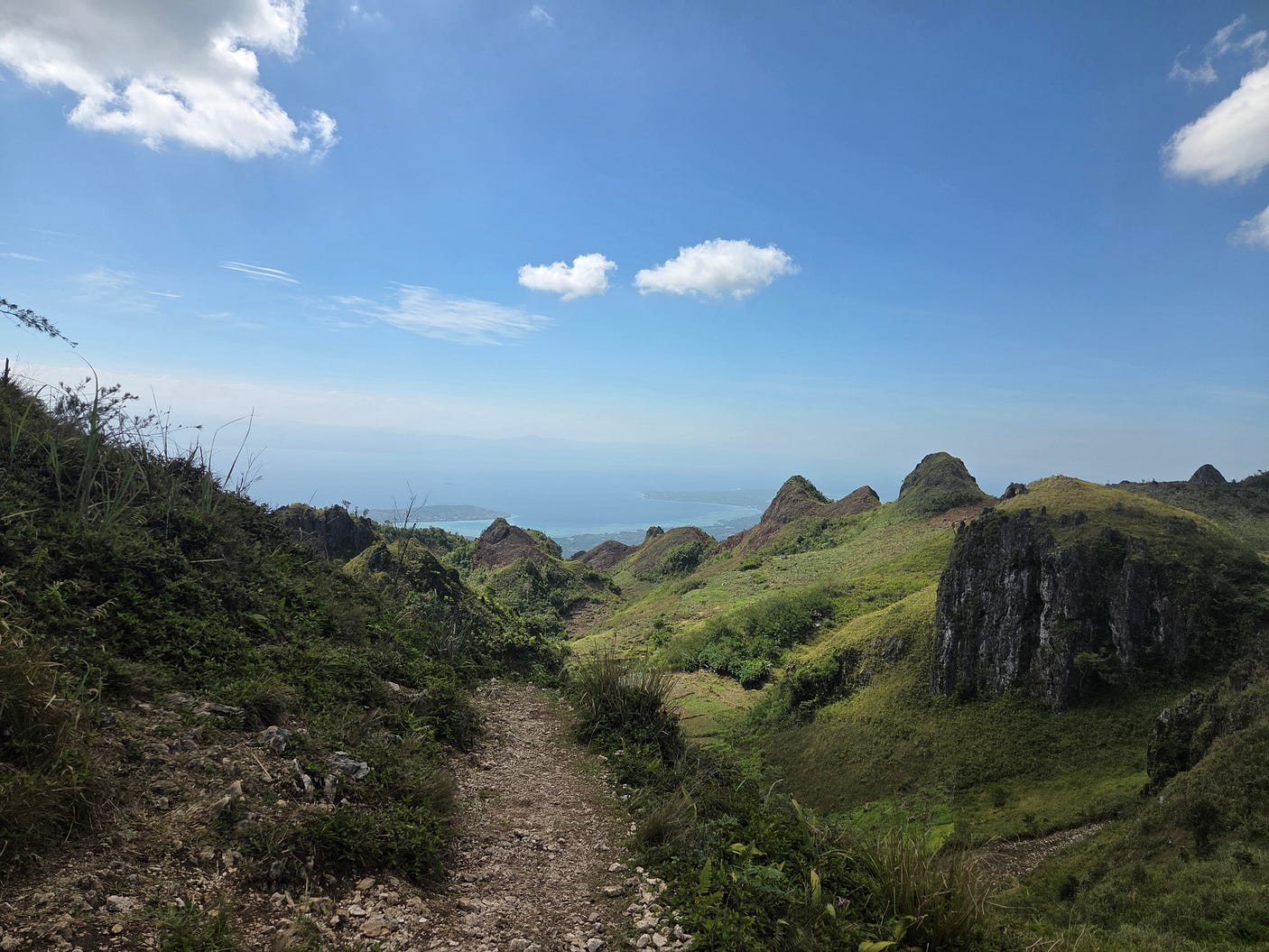
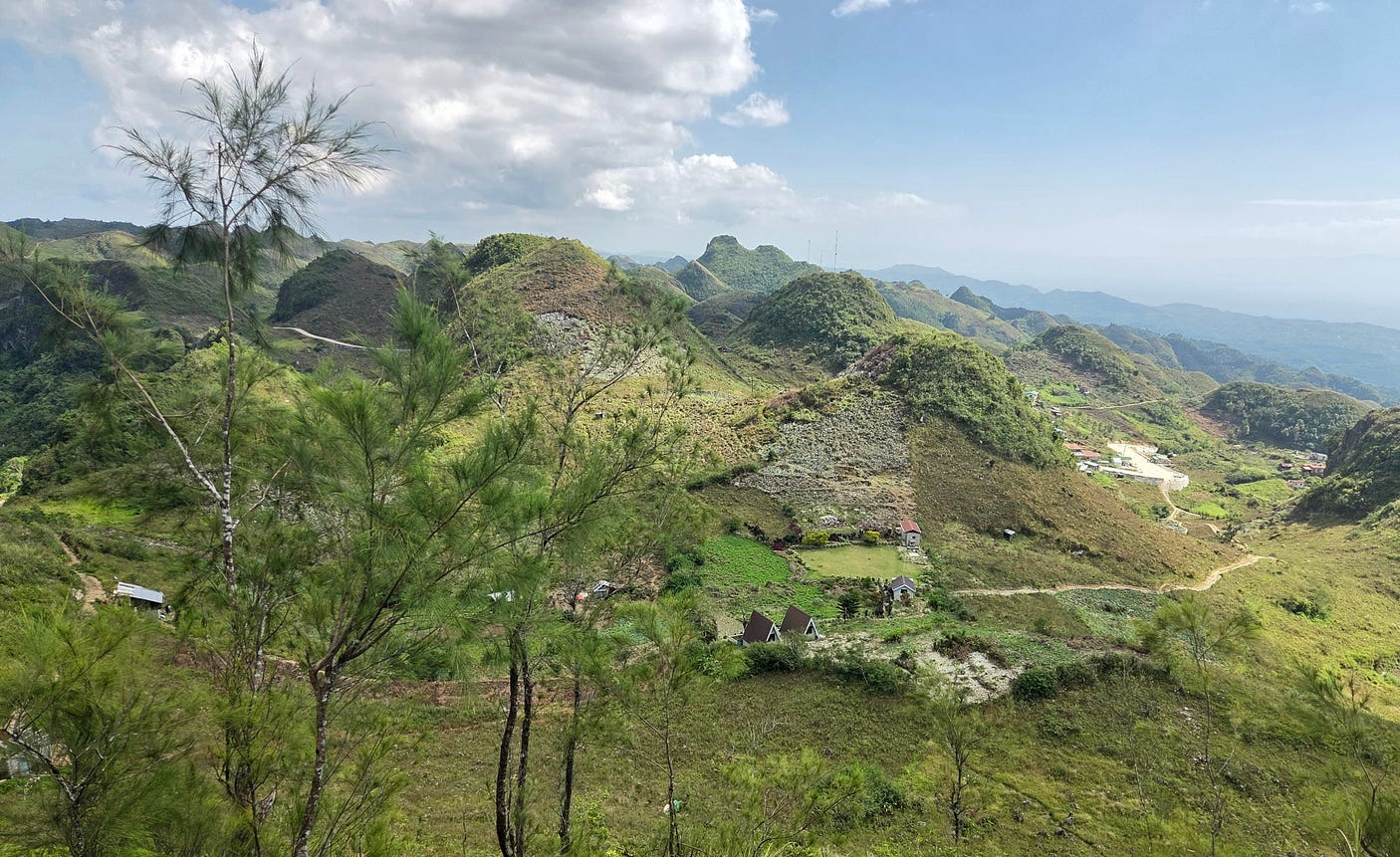
Here’s a photo of myself at the very top of Osmeña Peak, with a good view of Badian Bay in the background.
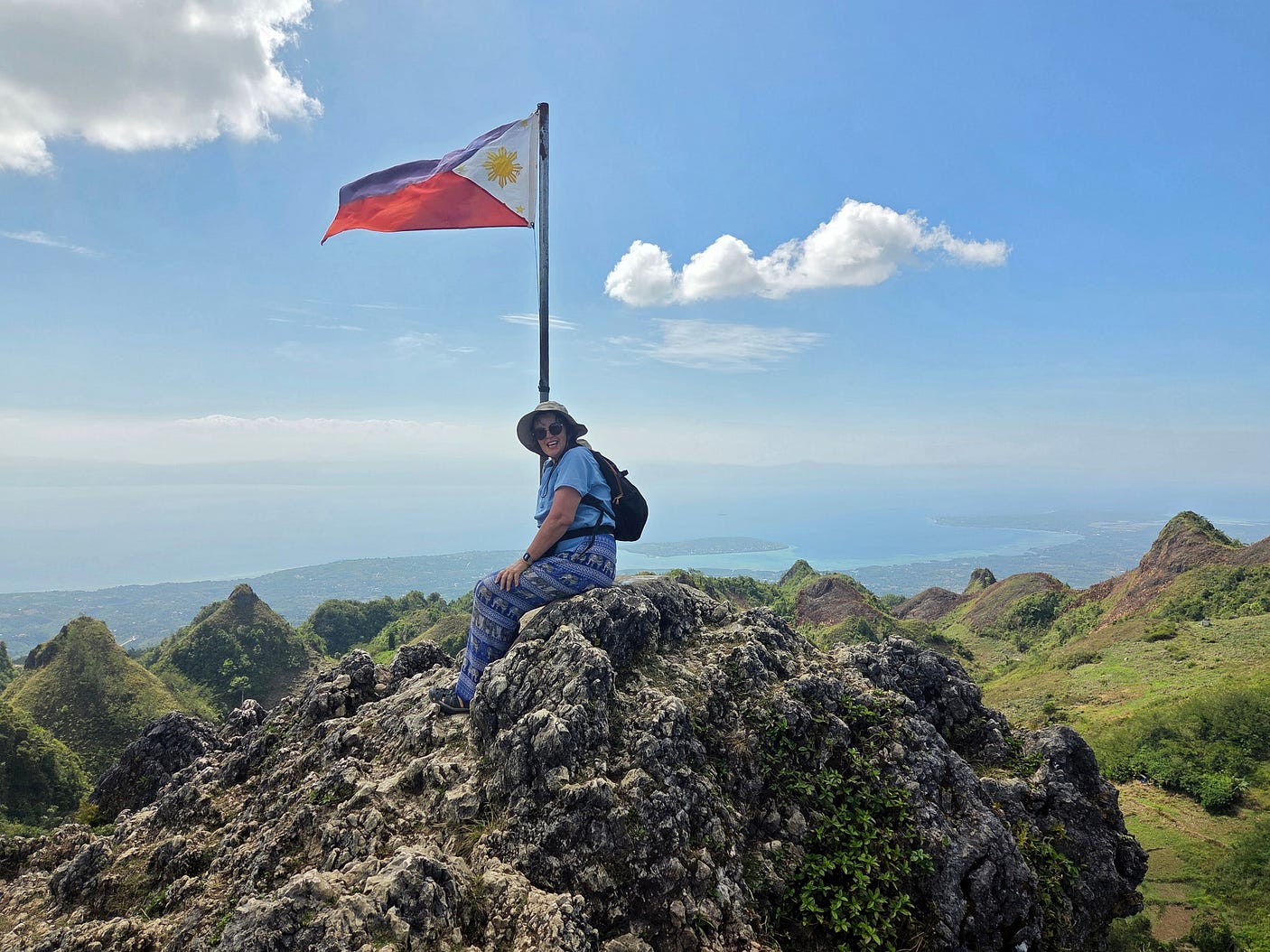
Here’s another photo of myself near the top, showing the weird landscape, with Badian Bay behind.

It was just brilliant, I really enjoyed it. I then came back to Moalboal by a more direct route through Badian, which only took an hour, whereas my previous sightseeing past the waterfall had taken two or three.
And then I went to a mall called Gaisano where I got some beef shawarmas.
You have to be careful where you get meat in the Philippines: a lot of the chicken I got had blood inside. If you buy off young guys in their twenties, they are more likely to undercook it. If you buy off women, or older women especially, you are more likely to have it properly cooked.
Anyway, I enjoyed the family atmosphere at the Laguna Hostel. But there was a fight in the male dorm about what temperature to have the air conditioning, with a Korean guy who wanted the temperature at 17 and others who wanted it in the 20s.
I met some interesting characters from Sweden, Australia, and another guy from Morocco, all going down to the markets and doing their own cooking in the kitchen, which was really social.
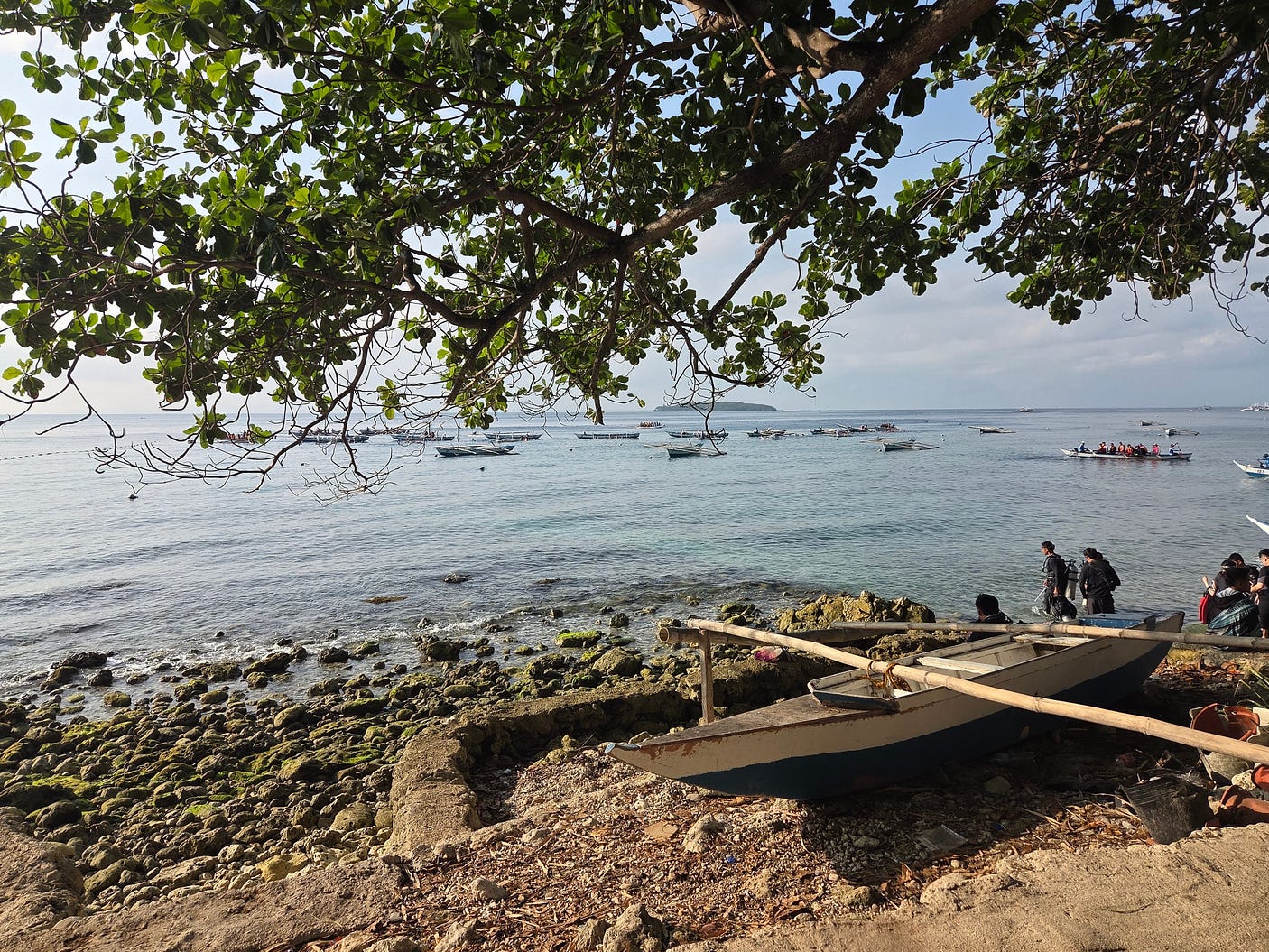
And then I decided to go to Oslob at the southeastern tip of Cebu, which was a three-hour bus ride down, and stayed there at the Sharky Hostel to go and snorkel in the company of whale sharks.
The whale shark is the world’s largest shark. Despite its size, it is fairly safe to swim alongside, as it feeds by sucking up shoals of small fish and other tiny sea creatures, after the fashion of many species of true whales, and doesn’t actively hunt people-sized prey.
I’m glad I stayed at the Sharky Hostel, as their guests were the first out the next day to go whale shark swimming.
There wasn’t much to do there, otherwise. You had to hire a bike to get around, and the whale shark viewing area was about 8 km from Oslob itself.
The whale sharks are attracted by the tour people, who feed them from buckets of shrimps and sardines.
I was within half a metre of one of these giant sharks, though getting that close is apparently not recommended.
There are many other kinds of sharks at Oslob, including hammerheads, which have been known to attack people.
In the old days, the sharks of Oslob were killed for shark fin soup.
Feeding the whale sharks is better than killing them, but on the other hand, the whale sharks now hang around, away from their breeding area. The whole business is quite controversial with conservationists and anyone else who thinks it is a bit iffy to encourage sharks to associate people and boats with food, even whale sharks.
Changing the subject, the food (for humans) in Oslob is quite expensive on the main road. But if you go through a gate at the bottom of the Sharky Hostel property, you can get to the cheap markets. It’s best to eat the street food from 7 to 10 in the morning, while it is still fresh. At night, it has been sitting out there all day.
Outside Oslob, I came across some old Spanish ruins.

There are also some famous ruins in Oslob, the Cuartel Ruins, officially the Museo Oslob or Oslob Museum. Cuartel is Spanish for barracks, which is the purpose for which the ruins were originally built in the 1860s.
There are lots of videos on YouTube about the Cuartel Ruins in Oslob. Most have annoying background music, but here is one that doesn’t.
These colonial ruins remind me that a movie has just come out about Magellan and his arrival on Cebu, which I wrote about last week. I’ll have to make a point of watching it.
There are also quite a few affordable beach resorts with swimming pools in Oslob. It looks like a great place to stay, even if I was just visiting.
I really enjoyed Oslob!
Driving on the road with my motorcycle, I notice that nobody seems to knock anybody over here in the Philippines. Traffic stops for pedestrians. The only problem you’ll have is somebody passing you on a motorbike on the inside.
So, I didn’t go faster than 35 km/h and stuck close to the right-hand side (in the Philippines, you drive on the right). I looked in my rearview mirror all the time. And I had a near collision with somebody passing me on the inside, all the same.
I did meet a guy in Cebu City who fell off his bike and was injured, because of somebody passing him on the inside. So, it’s just really better to watch out for that kind of passing.
Returning to Cebu City before leaving Cebu, I stayed at the Bolo Airport Dormitel in Lapu-Lapu, on Mactan Island, which I would prefer to forget, mainly because it was in a slum area with narrow alleyways through which you had to walk, full of roaming dogs, dog shit, and smelly sewers. There seemed to be about four dogs to every household.
If they want to be handy to the airport, foreign travellers should stay at the Mactan Island branch of the Murals Hostel.
Dogs are a real problem in parts of the Philippines, and you couldn’t walk around at night. I made sure to get rabies shots before flying to the Philippines, for precisely that reason.
Indeed, I remember that after I hiked Osmeña Peak and took the other road back through Badian, a dog chased my motorcycle.
It was after I got a bit sick of roughing it that I decided to treat myself to the ‘night use’ at the Dusit Thani Mactan, which I showed some photos of last week. Night use means that, for $50 NZ, you could swim in the swimming pool and have a smorgasbord dinner with raw fish, chicken, salad, and ice cream without actually having to stay there.
I’m glad I distracted myself there. After that, I flew to Palawan, another island, where I spent a further week.
Incidentally, when flying in the Philippines, you can’t take any electronic equipment into your checked luggage. It has to be in a separate bag. And you can’t even put a phone bank into the overhead compartments: it has to be with you.
Subscribe to our mailing list to receive free giveaways!

